Wireless Power Startup Wi-Charge Shuts Down After 14 Years
2026-08-25 · via invidis
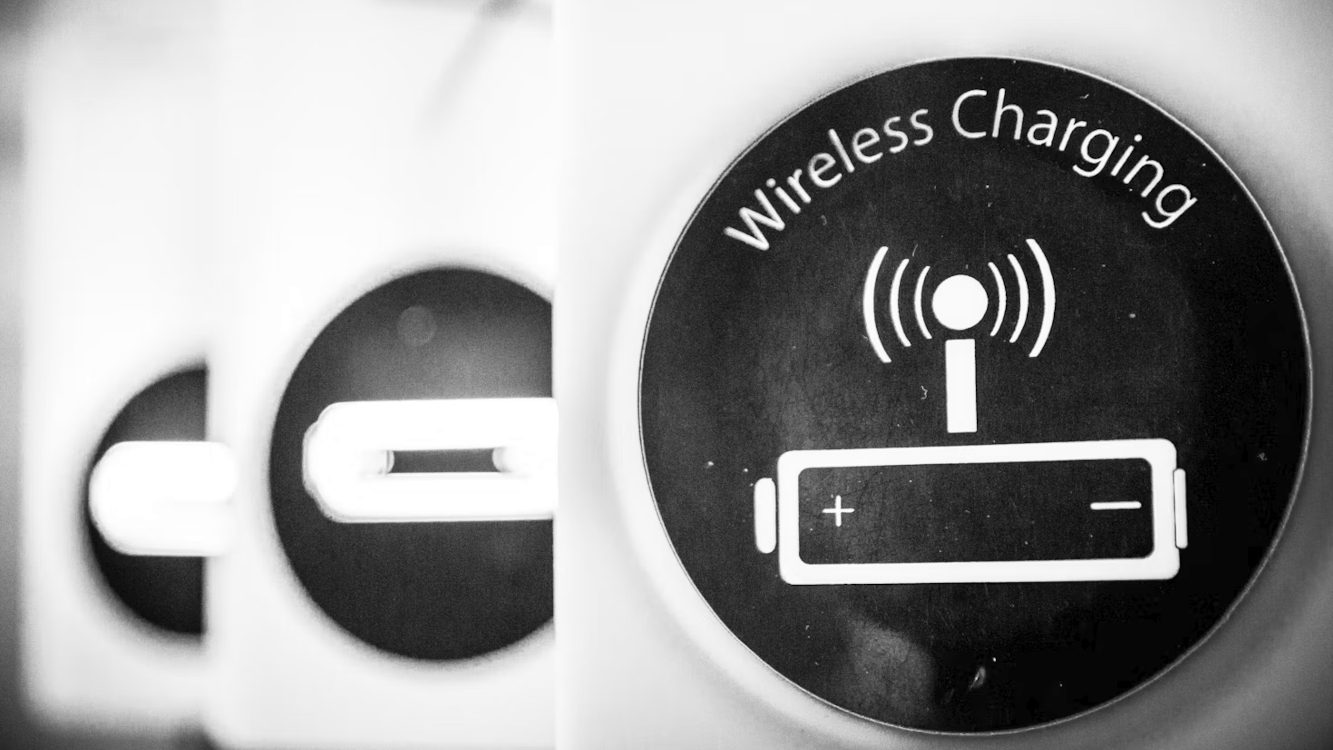
Wi-Charge, the Israeli startup behind room-scale wireless power transmission, is shutting down after more than 14 years of development. Founder and CEO Ori Mor announced the closure in a LinkedIn post, ending a project that found niche use in edge-shelf displays and other low-power retail devices within digital signage deployments.
Wi-Charge used a proprietary combination of transmitters, receivers and optical wireless power technology to deliver energy over several meters, letting small devices run without wired power connections. For signage and retail technology operators, that meant electronic shelf labels, small displays and IoT devices could theoretically be installed without running electrical infrastructure to every fixture, according to the company.
Mor said Wi-Charge products were deployed across 39 US states, with OEM bundles reaching adoption rates of up to 90 percent and direct-to-consumer take rates above 20 percent. He argues those numbers show the technology worked and that customers valued cable-free power where it was available.
Why it didn't scale
Despite those figures, Wi-Charge never reached the volume needed to sustain the business. Mor pointed to two structural problems. The first is the familiar platform chicken-and-egg issue: device manufacturers wanted to see a large installed base of transmitters before building in receivers, while transmitter deployment depended on having compatible receiving devices already on the market. Mor quoted a typical OEM response: "The technology works 100 percent. We're happy to add receivers once transmitters are already out there."
The second problem was behavioral rather than technical. Mor described wireless power as a "vitamin rather than a painkiller," something that adds convenience but does not solve an urgent problem for most users or operators. Combined with long hardware product cycles, expensive manufacturing and slower adoption curves than software, Wi-Charge said it struggled to attract the venture investment that typically funds category-defining hardware plays.
What this means for signage operators
For anyone deploying shelf-edge displays or small-format IoT hardware, Wi-Charge's shutdown removes one option that promised to cut installation costs and simplify store layouts by eliminating cabling runs to individual fixtures. The announcement does not say what happens to existing deployed installations or whether support will continue for current customers.
The broader takeaway, as the announcement frames it, is that operators remain dependent on established power-delivery methods for now: HDBaseT and Power over Ethernet reduce cabling requirements but do not eliminate cables entirely. Wi-Charge's exit does not kill the concept of wireless power for retail and signage hardware, but it does confirm that proving a technology works is not the same as building a market for it.
The announcement in full
Reproduced from invidis for reference. Digital Signage Magazine did not write the text below.
The most ambitious pioneer in wireless power transmission is shutting down. For the digital signage industry, the company was best known for its room-scale wireless power technology, which found niche applications in edge-shelf displays and other low-power retail devices.
In an emotional Linkedin post , Wi-Charge founder and CEO Ori Mor announced the end of the Israeli startup after more than 14 years of development work. Wi-Charge set out to solve a challenge that has frustrated both consumers and technology vendors for decades: eliminating power cables. Using a proprietary combination of transmitters, receivers and optical wireless power technology, the company was able to deliver energy over several meters, enabling small devices to operate without wired power connections.
A technology milestone without market breakthrough
According to Mor , Wi-Charge achieved what dozens of startups and major technology companies failed to commercialize. The company successfully brought room-scale wireless power to market and deployed products with leading brands across the United States.
“We started this company with a belief that power should move through the air; no cables, just power, wherever you need it,” Mor wrote in his farewell post. “We didn’t know if it could be done, but we knew that if it could be done, it would be done by us.”
The CEO points to several achievements that demonstrate the viability of the technology. Wi-Charge products were reportedly deployed across 39 US states, while OEM bundles achieved adoption rates of up to 90 percent. Direct-to-consumer products generated take rates of more than 20 percent, suggesting that customers appreciated the convenience of cable-free power delivery.
For the digital signage sector, Wi-Charge’s technology offered a compelling proposition. Small shelf-edge displays, electronic labels and IoT devices could be installed without costly electrical infrastructure, simplifying deployments and allowing greater flexibility in store design.
The chicken-and-egg problem of wireless power
Despite its technological success, Wi-Charge never reached the scale required for sustainable growth. Mor identifies two fundamental challenges that ultimately limited adoption.
The first was the classic platform dilemma. Wireless power requires both transmitters and receivers. Device manufacturers showed interest in integrating receivers, but often only once a sufficiently large installed base of transmitters existed. At the same time, widespread deployment of transmitters depended on compatible devices being available.
“The technology works 100 percent. We’re happy to add receivers once transmitters are already out there,” was a typical response from OEM partners, according to Mor.
The second challenge was less technical and more behavioral. Charging batteries is inconvenient, but for most consumers it is not a pressing problem. As Mor puts it, wireless power proved to be a “vitamin rather than a painkiller” – a product that improves convenience but does not solve an urgent need.
Wi-Charge also faced headwinds familiar to many hardware startups. Long product cycles, expensive manufacturing requirements and relatively slow market adoption made the company less attractive to venture capital investors compared with software-driven businesses.
“Slow adoption, plus being hardware and consumer as a vertical, made it undesired for investors,” Mor wrote.
The company therefore found itself in a difficult position: pioneering a category-defining technology outside the technology hype cycles that typically attract funding and accelerate ecosystem development.
While Wi-Charge is closing its doors, the company leaves behind an important proof point for the broader wireless power industry. It demonstrated that room-scale wireless energy transmission can move beyond laboratory demonstrations into real-world commercial deployments.
For retail technology and digital signage professionals, the shutdown is a reminder that technical innovation alone does not guarantee market success. Even technologies with clear operational advantages must overcome ecosystem barriers, deployment costs and user behavior before reaching mass adoption.
Wi-Charge may never have achieved the commercial breakthrough its founders envisioned, but after 14 years of development the company proved one thing: power can travel through the air. The digital signage industry will continue its search for truly cable-free solutions. For now, however, it remains dependent on power delivery via AV infrastructures such as HDBaseT or network technologies like Power over Ethernet (PoE). Both reduce cabling requirements, but neither eliminates cables altogether. The vision of wireless power, however, remains very much alive.
Remote Device Management : Brightsign Scales Control Plus With AWS
Ahead of 2027 Season and NBA All-Star Game : Phoenix Suns Add Massive Transparent LED Facade
Business : Uniguest Retires Tripleplay, E-Stream and P-Care Brands Under Hub
Appointments : Almo Pro AV Expands Leadership Team