Viooh Adds GSTV's 29,000 Fuel Pump Screens to Programmatic DOOH Platform
2026-11-13 · via invidis
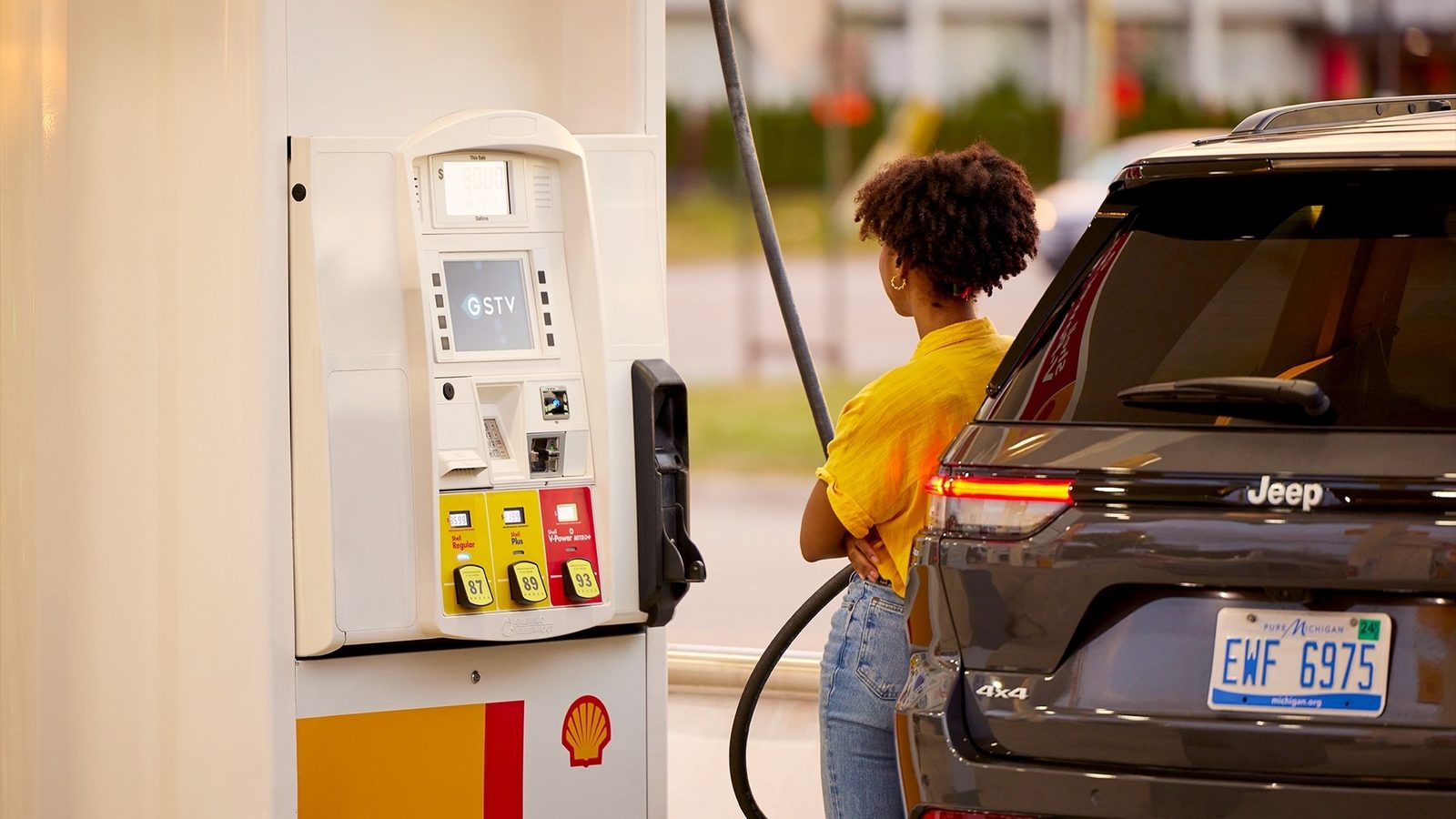
Programmatic supply-side platform Viooh has added GSTV's fuel pump video network to its inventory, giving agencies and brands programmatic access to screens at more than 29,000 fuel and convenience retail locations across the US. For operators and media planners watching the DOOH buying shift, it is another signal that forecourt and point-of-sale screens are becoming standard line items in programmatic plans rather than specialty buys handled through direct deals.
GSTV's network sits at the pump, playing video with sound in a four-minute loop timed to match the average refueling stop. That sound-on format is the headline differentiator here. Most roadside and place-based DOOH runs silent, competing with ambient noise and relying on motion and large creative to hold attention. GSTV's pitch, repeated in the release, is that its screens offer a captive, stationary audience for the length of a fill-up, which is a different attention model than a billboard or a highway panel.
According to the release, GSTV reaches 115 million unique US adults aged 18 and older each month, and its retail partners include 7-Eleven, BP, Chevron, Casey's, ExxonMobil, Shell, Speedway and Sunoco, among others. Those are figures from GSTV and Viooh, not independently verified, but the brand list gives a sense of scale: this is a genuinely national forecourt footprint, not a regional test network.
Why programmatic access matters here
The mechanics of the deal are straightforward. Advertisers and agencies can now buy GSTV inventory through Viooh's existing programmatic infrastructure instead of negotiating directly with the network. That means the targeting, campaign management and reporting tools buyers already use for other Viooh-connected DOOH inventory now extend to fuel pump screens. For GSTV, it is a new sales channel layered on top of whatever direct sales relationships it already runs. For Viooh, it adds a category of place-based inventory, point of purchase, physically captive, sound-enabled, that broadens what its platform can offer against other SSPs competing for the same programmatic DOOH budgets.
GSTV cites a consumer survey finding that 52% of respondents added an unplanned item during a convenience store visit, which the companies frame as evidence of the format's influence near the point of sale. The announcement does not detail measurement methodology for that survey, nor does it specify pricing, minimum spend, or which programmatic DSPs will have access to the inventory through Viooh. It also does not say whether the integration covers all 29,000 locations immediately or on a rolling basis.
For media owners and operators elsewhere in the DOOH ecosystem, the deal is a reminder that programmatic SSPs are actively consolidating niche, high-dwell-time formats, fuel pumps, elevators, gyms, onto single buying platforms. That consolidation makes it easier for big ad budgets to reach fragmented screen networks, but it also puts pressure on smaller networks to plug into an SSP or risk being left out of programmatic plans entirely.
The announcement in full
Reproduced from invidis for reference. Digital Signage Magazine did not write the text below.
The partnership gives programmatic buyers access to GSTV's nationwide network of fuel and convenience retail locations, reaching a reported 115 million US adults each month.
Digital Out-of-home supply-side platform Viooh has partnered with US media network GSTV to make advertising inventory at more than 29,000 fuel and convenience retail locations available to programmatic buyers.
The agreement expands Viooh’s US inventory with screens at fuel pumps, where advertising and video content play while motorists refuel.
GSTV reports that its network reaches 115 million unique adults aged 18 and older each month. Its retail partners include 7-Eleven, BP, Chevron, Casey’s, ExxonMobil, Shell, Speedway, Sunoco and several other major fuel and convenience brands.
Unlike conventional roadside DooH displays, GSTV’s network delivers video advertising with sound. Content runs in a four-minute loop, corresponding to the average time a motorist spends filling a vehicle’s fuel tank.
Reaching consumers at the point of purchase
The format gives advertisers an opportunity to reach consumers during a relatively stationary period, often immediately before they enter an adjoining convenience store.
“Full-sound video, a captive audience and coast-to-coast reach is a rare combination,” said Gavin Wilson, Global Chief Commercial Officer at Viooh. “Through Viooh, media buyers can now access all three with the flexibility and precision of the programmatic workflows they already use.”
The integration allows advertisers and agencies to purchase GSTV inventory through Viooh’s existing programmatic infrastructure, rather than arranging campaigns directly with the network. It also provides access to targeting and campaign management capabilities within established buying workflows.
Evan Pfeffer, SVP, Head of Programmatic at GSTV, said the partnership would introduce the network to a broader range of programmatic buyers looking to incorporate video advertising into their media plans.
The potential value of that exposure was highlighted in a recent GSTV consumer survey , which found that 52% of respondents had added an unplanned item during a convenience-store visit. The findings suggest opportunities for advertisers to influence purchasing decisions close to the point of sale.
For Viooh, the agreement adds another category of place-based DooH inventory to its US offering. For GSTV, it creates an additional sales channel for a network positioned at the intersection of fuel retail, convenience shopping and digital video advertising.