Samsung Onyx LED Screen Replaces Projector at Budapest Cinema
2026-11-04 · via invidis
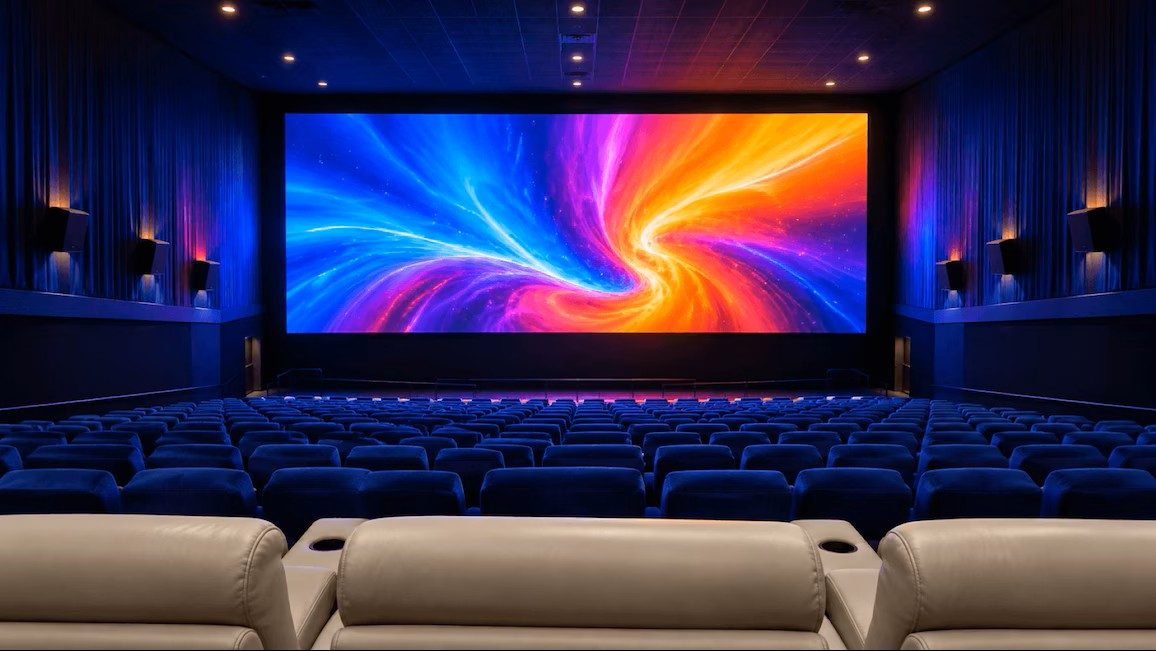
Lurdy Cinema in Budapest has opened Hungary's first Samsung Onyx LED cinema auditorium, swapping out a conventional projector for a direct-view LED screen measuring 11.5 meters wide and 5.4 meters high. For an industry watching direct-view LED push into more venue types beyond retail and corporate lobbies, this is another data point on cinema as a use case for the technology.
The installation went into Auditorium 10 as part of a wider renovation completed in September. The project involved Samsung, cinema operator Pannonia Movie, venue owner Lurdy Ház and Digital Cinema International, according to the companies.
The core pitch is brightness. Samsung says the 4K Onyx display can hit up to 300 nits, compared with roughly 48 nits for standard cinema projection. The screen is DCI-certified and supports standard cinema formats as well as 3D. The auditorium also got a Dolby 7.1 surround system and new reclining and VIP seating, so this reads as a full premium-screen refit rather than a like-for-like swap of the projector only.
Why brightness matters for operators
For cinema operators, the brightness gap is the argument for LED over projection in any room where there's a chance of ambient light or where the screen needs to double as something other than a movie auditorium. Samsung says the extra brightness could let Lurdy Cinema use the space for live sports broadcasts, esports competitions and corporate presentations, formats where house lights can't always go fully dark. That's a familiar play for LED vendors trying to justify the capital cost against a projector by pointing to incremental revenue from non-film bookings.
What the announcement does not say is the cost of the installation, the specific LED pixel pitch, or how Lurdy Cinema plans to schedule non-film content against its regular screening calendar. Those are the numbers an operator evaluating a similar upgrade would want before comparing this to a laser projector refresh, which remains far cheaper to install even if it can't match the contrast or peak brightness of direct-view LED.
Direct-view LED cinema screens are still a small category globally compared to projection, and Samsung is one of a handful of vendors, alongside Sony's Crystal LED and smaller challengers, pushing the format into premium auditoriums. Lurdy Cinema's installation adds Hungary to the list of markets with at least one Onyx screen in commercial operation, and fits the pattern invidis has tracked elsewhere: operators using LED primarily in flagship or VIP auditoriums rather than as a wholesale replacement for projection across a multiplex.
The announcement in full
Reproduced from invidis for reference. Digital Signage Magazine did not write the text below.
Lurdy Cinema has installed an 11.5-meter-wide 4K LED screen, becoming the first cinema in Hungary to replace conventional projection with Samsung's Onyx technology.
Lurdy Cinema in Budapest has opened Hungary’s first Samsung Onyx LED cinema auditorium, replacing conventional projection with a direct-view LED screen measuring 11.5 meters (37.7 feet) wide and 5.4 meters (17.7 feet) high.
The installation was completed in September as part of a renovation of Auditorium 10, involving Samsung, cinema operator Pannonia Movie, Lurdy Ház and Digital Cinema International.
Unlike conventional cinema projection, the 4K Onyx display produces its own light rather than relying on a projector. Samsung says the screen delivers up to 300 nits of brightness, compared with approximately 48 nits for conventional projection.
The DCI-certified display supports standard cinema formats and 3D screenings.
The 229-seat auditorium also received a new Dolby 7.1 surround sound system and upgraded seating, including reclining and VIP options.
Samsung says the LED display’s higher brightness could let the venue host other events, including live sports broadcasts, e-sports competitions, and corporate presentations, where some ambient lighting may be needed.
The Budapest installation joins a relatively small but growing number of cinemas using direct-view LED technology instead of traditional projection.
While LED cinema screens remain far less common than projection systems, installations such as Lurdy Cinema illustrate how the technology is finding a place in premium auditoriums, particularly where operators want to offer programming beyond conventional film screenings.