Panasonic and Hive Whitepaper Claims 80% Savings From Distributed AV Playback
2026-11-25 · via invidis
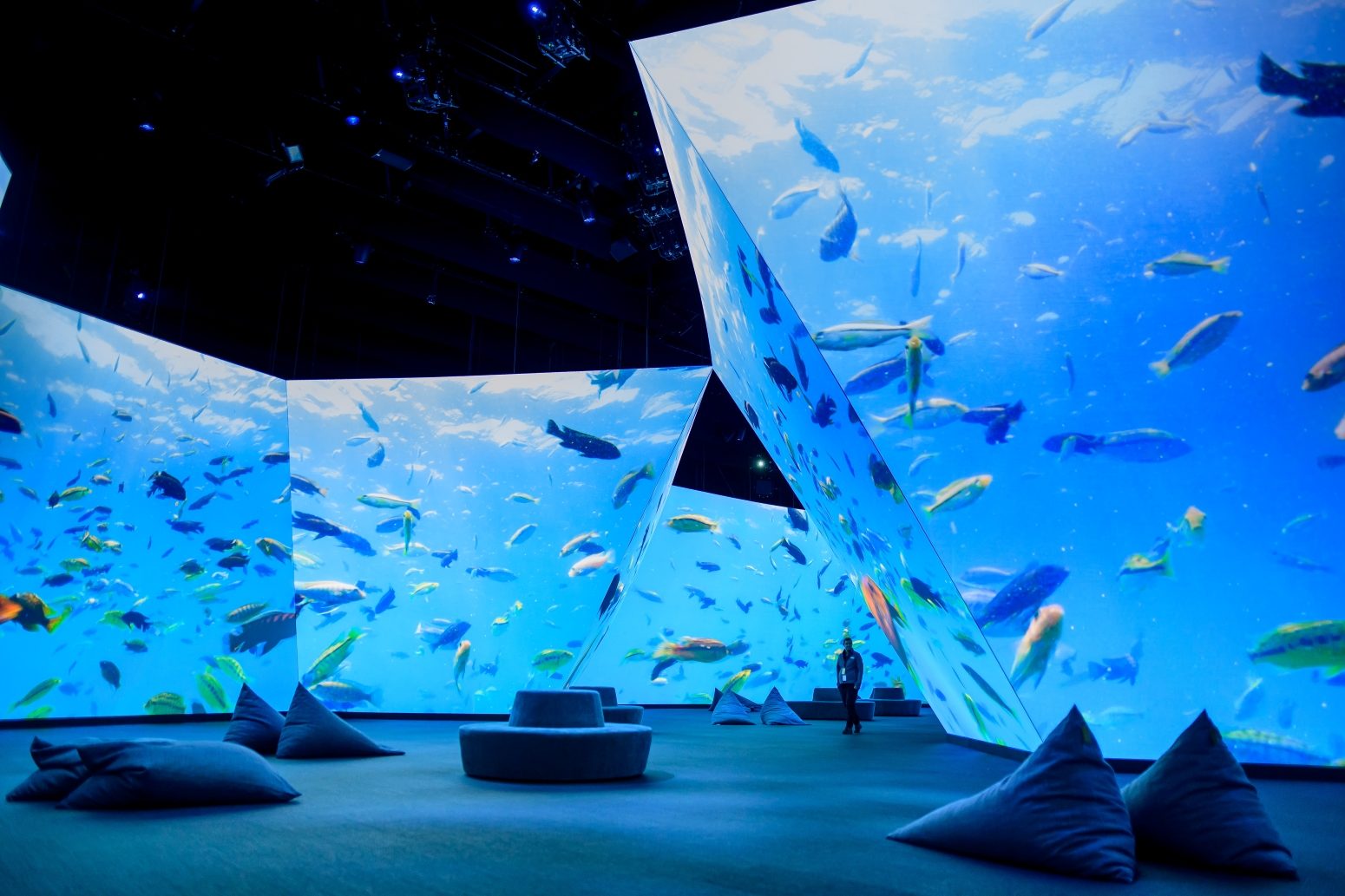
Panasonic Projector & Display and Hive Media Control have published a joint whitepaper arguing that distributed media architecture can cut infrastructure costs for immersive AV installations by up to 80 percent compared with conventional rack-mounted media server setups. For operators and integrators building large-scale immersive experiences, that is a claim worth scrutinizing rather than taking at face value, but it points at a real shift in how these projects can be engineered.
The paper, titled The Future of Immersive Deployments: Why Distributed Architecture is the Next Evolution of Immersive Experiences, takes aim at the standard approach to immersive environments: centralized media servers housed in dedicated equipment rooms, connected via fiber runs to projectors and displays, with associated cooling and specialist installation labor. According to Panasonic and Hive, that supporting infrastructure often eats a large share of project budgets without adding anything visitors actually see.
The alternative the companies are promoting puts media playback directly inside compatible projectors and displays, removing much of the centralized hardware and cabling. Panasonic and Hive say this simplifies installation and can lower ongoing operating costs, in addition to the headline 80 percent infrastructure savings figure. The whitepaper does not break down how that percentage was calculated or over what kind of installation baseline, so readers should treat it as a vendor estimate rather than an audited figure.
What it means for budgets
The pitch here is reallocation rather than just cost-cutting: Panasonic and Hive argue that money saved on racks, fiber, cooling and specialist install labor can instead go toward content development and creative design. Felix Kleisen, Sales Engineer at Panasonic Projector & Display EMEA, frames it as a trade of infrastructure spend for audience-facing investment.
The whitepaper cites the BBC Earth Experience in Melbourne and the National Museum of Qatar as reference projects used to examine the financial and operational case for distributed architecture, alongside claims about scalability, deployment flexibility and environmental benefits for both permanent attractions and touring exhibitions. The announcement does not provide specific cost breakdowns for either project.
Vendor lock-in question
The publication comes after Panasonic's acquisition of Hive Media Control, which raises an obvious question for integrators who work across multiple hardware brands. Hive CEO Dave Green addresses this directly, stating that Hive remains vendor-agnostic post-acquisition and will continue supporting customers and integration partners using non-Panasonic equipment. Whether that commitment holds over time, and whether distributed playback features stay equally strong on third-party hardware, is something the market will need to watch rather than take on faith.
For venues and museums weighing centralized versus distributed media architecture on their next build, the whitepaper offers a framework and case studies but, as with any manufacturer-backed paper, the specific savings figures deserve independent verification before being built into a project budget.
The announcement in full
Reproduced from invidis for reference. Digital Signage Magazine did not write the text below.
A new whitepaper examines how distributed media playback can cut equipment and installation costs, freeing up more budget for immersive content and experiences.
Panasonic Projector & Display and Hive Media Control have published a joint whitepaper examining how distributed media architecture could reduce infrastructure costs for immersive AV installations by up to 80 percent.
The publication, The Future of Immersive Deployments: Why Distributed Architecture is the Next Evolution of Immersive Experiences, challenges the traditional reliance on centralized, rack-mounted media servers for large-scale immersive environments.
In conventional installations, media servers typically operate from dedicated equipment rooms, requiring extensive fiber cabling, cooling systems and specialist installation work. These supporting systems can consume a substantial portion of project budgets without contributing directly to the visitor experience.
Distributed architecture takes a different approach by placing media playback capabilities directly within compatible projectors and displays. This reduces the need for centralized equipment and associated infrastructure while simplifying installation and potentially lowering ongoing operating costs.
According to Panasonic and Hive, replacing conventional rack-mounted systems with distributed playback can deliver savings of up to 80% in media playback and infrastructure costs. The companies argue that these efficiencies allow operators to direct more of their budgets toward content development, creative design and audience engagement.
“Ultimately, greater efficiency creates more opportunities to invest in creativity, content and audience engagement,” says Felix Kleisen, Sales Engineer at Panasonic Projector & Display EMEA.
The whitepaper draws on projects including the BBC Earth Experience in Melbourne and the National Museum of Qatar to examine the financial and operational implications of distributed architecture. It also explores scalability, deployment flexibility and potential environmental benefits across permanent attractions and touring exhibitions.
The publication follows Panasonic’s acquisition of Hive, although the media control specialist emphasizes that its technology remains available to the broader professional AV industry.
“Importantly, Hive remains committed to being vendor-agnostic following our acquisition by Panasonic,” says Dave Green, CEO of Hive Media Control.
Green adds that Hive will continue supporting customers and integration partners using equipment from other manufacturers, positioning distributed media architecture as an approach that extends beyond Panasonic’s own projector and display portfolio.