Montana Heritage Center Opens With LED Video Walls Across Nine Exhibits
2026-08-13 · via Digital Signage Today
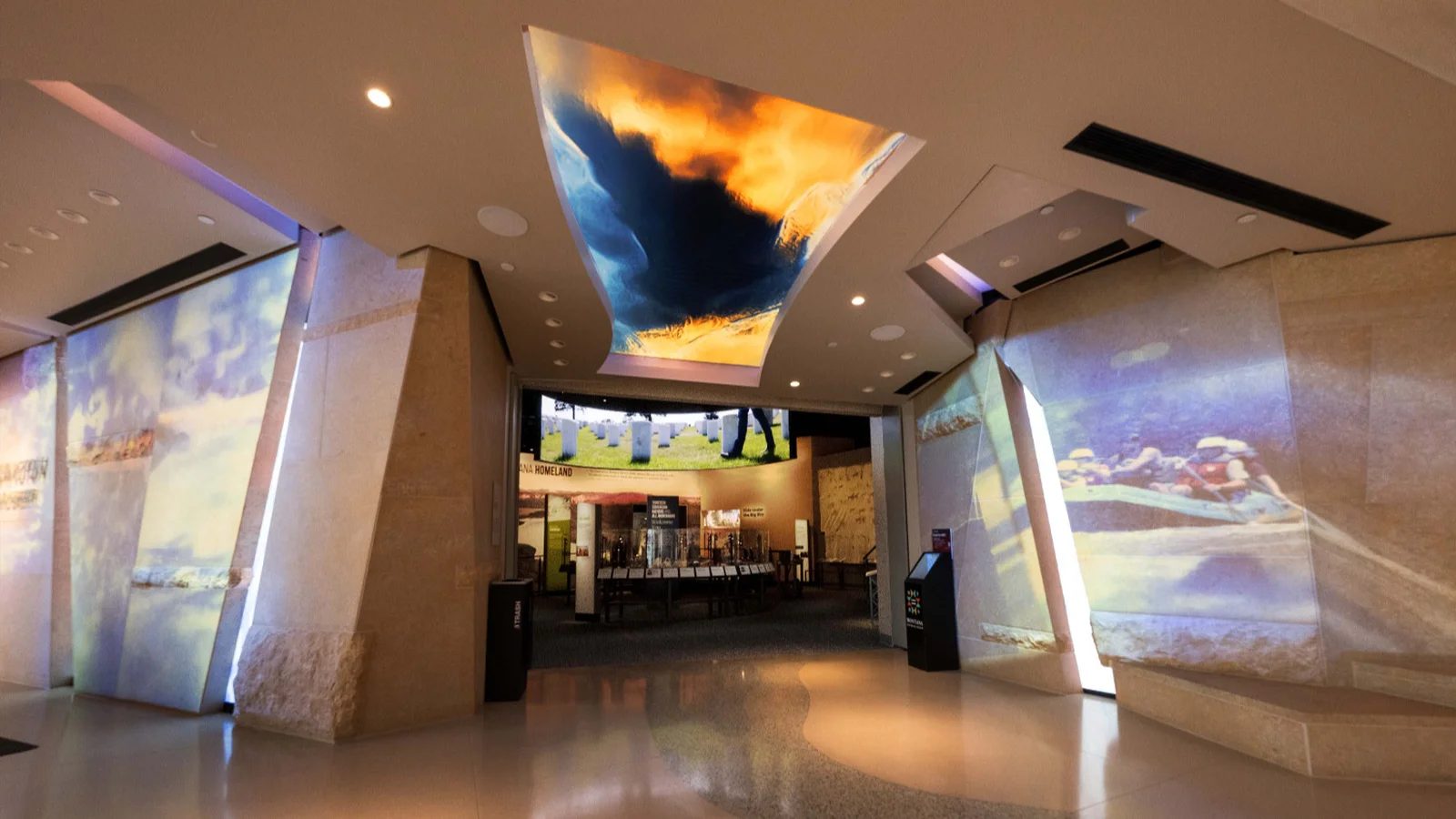
The Montana Heritage Center in Helena, Montana has opened a museum experience built around LED video walls and synchronized audiovisual systems rather than static exhibits, giving museum and cultural-venue operators another data point on how dvLED is being used outside retail and corporate lobbies.
LED manufacturer SNA Displays and AV integrator Electrosonic partnered on the project, with digital design studio RLMG producing the content. According to the companies, SNA Displays supplied 42 display faces across nine exhibits, using a mix of 1.2mm, 1.9mm and 2.5mm pixel pitch interior LED, indicating a deliberate choice of finer pitch for close-viewing gallery displays and coarser pitch where sightlines are longer.
Electrosonic says it chose SNA Displays because of prior project history and the company's LED expertise. The two firms designed what the release calls an integrated AV ecosystem where sound, light and motion respond to visitors, rather than a simple video-on-a-wall setup.
Notable installations include a curved LED ceiling in the entrance gallery, LED embedded in stone-like surfaces designed to look like flowing water, a concave dvLED wall called "Moving Through Time," and a mine-elevator simulation combining videowalls, spatial audio, synchronized lighting and a shaking floor effect. Motion sensors and touchpoints trigger content in some exhibits, pointing to interactive rather than passive playback.
For operators, the more relevant detail may be what SNA Displays' Paul England says about maintenance planning. He notes museums often budget for building exhibits but not for maintaining them, and that museum staff are typically not equipped to manage complex technology long term. His advice: design exhibits to run with minimal maintenance and select technology partners with museum-specific experience, since guest interaction patterns and facility fit differ from typical retail or corporate signage deployments.
The announcement does not disclose project cost, installation timeline, content management software used, or display resolution specs beyond pixel pitch.
The announcement in full
Reproduced from Digital Signage Today for reference. Digital Signage Magazine did not write the text below.
The center is using LED video technology and audiovisual elements in an interactive environment that educates visitors on the state’s earliest inhabitants through to modern times.
August 13, 2026 by Judy Mottl — Editor: RetailCustomerExperience.com & DigitalSignageToday.com, Connect Media
The Montana Heritage Center, in Helena, Montana, boasts a unique visitor experience that few other museums offer — a fully immersive journey through the state's history that combines storytelling, technology and architecture.
Located a block from the state's capitol building, the center is using LED video technology and audiovisual elements in an interactive environment that educates visitors on the state's earliest inhabitants through to modern times.
SNA Displays, a LED video display manufacturer teamed with Electrosonic, an international audiovisual and technology services provider to create the museum experience.
Electrosonic tapped SNA Displays as it had worked with the company on many projects, according to Alex Westerh, vice president, global marketing, at Electrosonic.
"Electrosonic believes the folks at SNA Displays are some of the best in the business," Westerh said in an email interview.
"We have worked with SNA Displays team for many years in delivering some of the most incredible uses of technology around the country. SNA Displays is known for their innovation in LED and we chose them as our project partner at the Montana Heritage Center because we knew that they would bring the right technical expertise and product to meet the needs of our client."
Electrosonic designed a comprehensive and integrated AV ecosystem in which sound, light and motion respond to visitors. SNA Displays supplied custom video walls and slim vertical displays that define key gallery moments. SNA Displays manufactured and supplied 42 display faces across nine exhibits using a mix of 1.2, 1.9, and 2.5-milimeter interior LED video technology.
Digital design studio RLMG created dynamic interactive and media content tailored to each display.
The experience allows museum visitors to see and hear stories, often told in the original sovereign nations' languages, while standing amid depictions of wildlife, mining tunnels, open roads and more.
Guests enter the museum through Washington Way at the entrance of the Homeland Gallery. In honor of American industrialist Dennis Washington, this cinematic passage surrounds story-seekers with coordinated projection, LED fissures and an LED ceiling display that curves like a flowing river.
Visitors are greeted by the veins in the stone, with embedded LED that makes them appear to flow like water. An overhead LED river leads visitors into the first gallery featuring a large curved overhead display that welcomes guests and offers information on what the museum is all about.
A key exhibit features a sweeping concave dvLED wall called Moving Through Time which uses visuals that move in sync with the gallery's immersive soundscape. The Sovereign Nations Tipi includes motion sensors and touchpoints to trigger origin tales and scenes of village life that play in sync with sound and lighting.
A highlight for visitors is the Mineshaft Experience where visitors step into a mine elevator car, pull the rope to start their shift and ride down into the deep well, stopping along the way to view restored archival footage as well as digital recreations of the people, activities and conditions in the mine. Interactive touchscreens tell personal stories, while the LED videowalls, spatial audio and synchronized lighting recreate life underground. This immersive technology simulates a shaking floor and plunges guests into the reality of Montana's mining history.
Crafting and building an immersive experience is no small or quick feat. A critical part of the plan, according to Paul England, senior director, design solutions at SNA Displays, is designing in robustness with minimal maintenance.
"Often, museums have budget for building exhibits but maintenance falls into a different bucket. Furthermore, typical museum operations staffing is not usually well-suited to maintaining complex technology, and you potentially have a recipe for disaster in the long term," England said in an email interview.
That's why designing persistent exhibits that will work for ages with little to no maintenance is highly important.
"Second, you want to ensure you're bringing on partners with plenty of museum experience. Not are there the maintenance requirements I mentioned earlier, but there are considerations such as how guests interact with exhibits, fitness of the display for the facility and a host of other things that can fail if the exhibit designer, the fabricators and the technology partners aren't aligned on the big picture," England said.
Judy Mottl is the editor of RetailCustomerExperience.com and DigitalSignageToday.com at Connect Media. She is an award-winning editor, reporter and blogger who has worked for top media for nearly four decades, including AOL, InformationWeek and Internet News, as well as for leading technology providers including HP. She’s written everything from breaking news to in-depth industry trends and reported on technology long before the internet arrived, including the debut of the first smartphone. When she's not sharing insights on digital signage deployments and trends in retail customer experience she's on the beach or watching the latest live murder trial.
Get the latest news and resources from Digital Signage Today.