Lisnr Adds Ultrasonic Mobile Connection To Samsung VXT Signage
2026-10-23 · via invidis
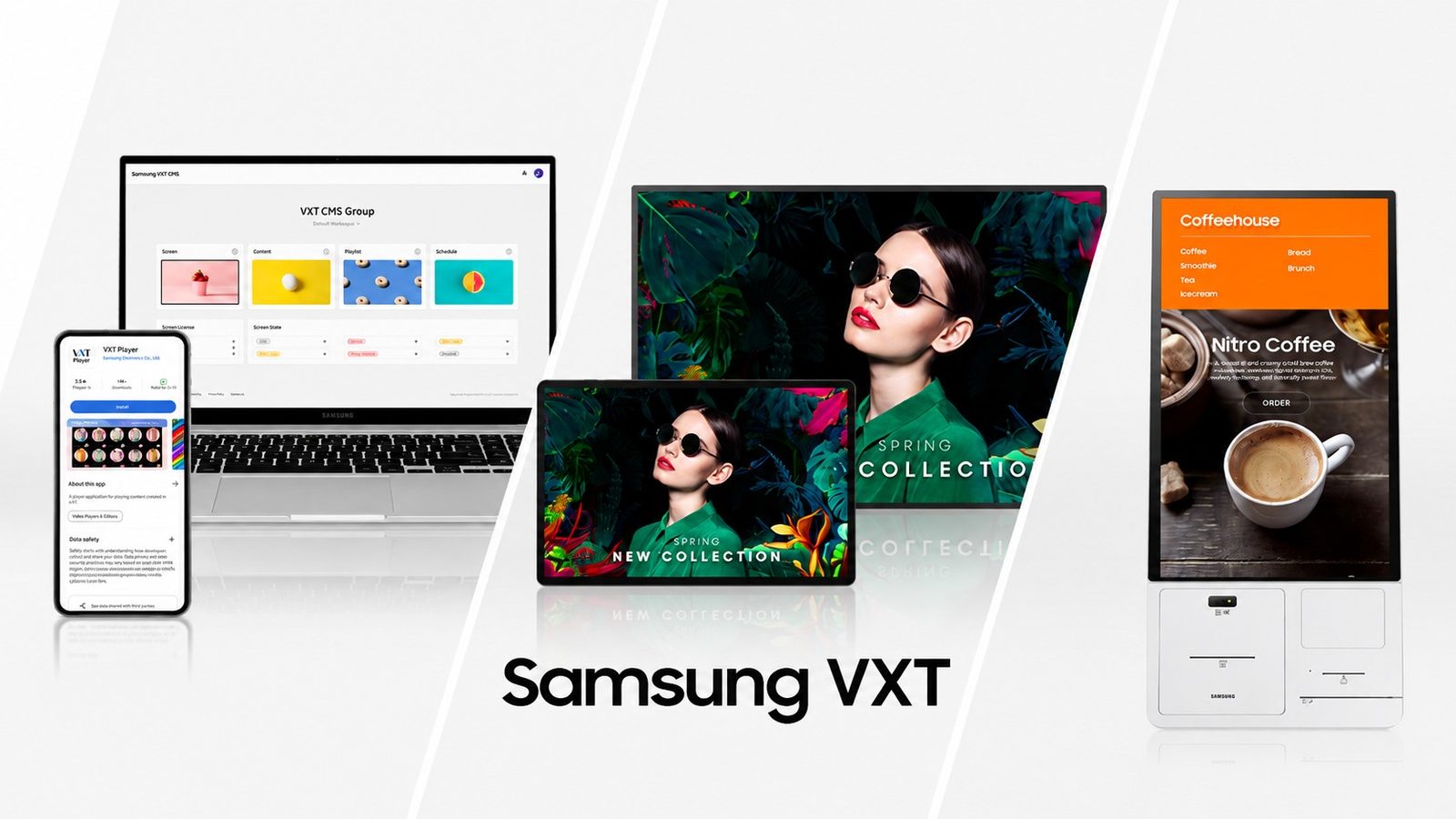
Lisnr has integrated its ultrasonic data-over-audio technology with Samsung's VXT digital signage platform, allowing displays to send inaudible signals to nearby smartphones. For operators running VXT-based networks, this adds a way to link on-screen content directly to customer phones without installing beacons or other hardware.
The integration is aimed at retail, quick-service restaurants, hospitality and transportation locations, according to the companies. It is built to support location-specific promotions, contactless checkout and wayfinding inside venues, delivered through a merchant's own mobile app rather than a generic consumer app.
How it works
Lisnr's technology differs from Bluetooth- or Wi-Fi-based proximity systems by transmitting ultrasonic tones through a display's existing speakers. A smartphone running a compatible app picks up the tone and ties it back to whatever content is on screen at that moment. Because the signal rides on the display's built-in audio hardware, Lisnr says the approach needs no additional equipment, which lowers the installation cost compared with beacon-based proximity networks.
The integration runs through Samsung's VXT cloud content management system. Using the VXT Canvas interface, content creators can attach specific data or interactions to visual assets. When that content plays, the display's speakers emit the matching ultrasonic signal, and a paired app on a customer's phone interprets it to trigger whatever action has been set up, whether that is a coupon, a checkout flow or directions through a large venue.
Lisnr says the system uses its own Tonelock security feature along with AES-256 encryption to protect the data exchange. Eric Allen, Lisnr's CEO, said the integration is meant to turn static signage into what he called an active commerce channel, a claim that reflects the company's own framing rather than independent verification.
What is missing
The announcement does not name any retailers or venues currently using the integration, nor does it give pricing for the service. It also does not say whether Lisnr's software works with other CMS platforms beyond Samsung VXT, or whether Samsung sees this as an exclusive partnership. For operators, the bigger open question is adoption: the system depends on shoppers having a merchant's app installed and ultrasonic listening enabled, a dependency that has limited similar proximity technologies in the past.
Samsung VXT already provides cloud-based scheduling, content creation and display management. The Lisnr addition extends that with a mobile engagement layer, positioned as a way for retailers and venue operators to measure interaction with digital signage and prompt customers to act on what they see. The integration is available to VXT customers on request, according to the release, with no stated launch date or minimum deployment size.
The announcement in full
Reproduced from invidis for reference. Digital Signage Magazine did not write the text below.
The integration uses inaudible audio signals to connect Samsung digital signage with nearby smartphones, supporting promotions, payments, and other interactions without additional hardware.
Ultrasonic communications technology provider Lisnr has integrated its software with Samsung’s VXT digital signage platform, enabling businesses to connect displays with nearby smartphones using inaudible audio signals.
The integration targets retail, quick-service restaurants, hospitality, transportation hubs and other high-traffic locations. It enables businesses to deliver location-specific promotions, support contactless checkout and provide wayfinding information through customer-facing mobile apps.
Unlike proximity technologies that rely on Bluetooth or Wi-Fi connections, Lisnr uses ultrasonic tones transmitted through a display’s built-in speakers. A nearby smartphone receives the signal through a compatible merchant app, connecting the displayed content to the customer’s device.
According to Lisnr, the software-based approach requires no additional hardware.
The integration operates through Samsung’s cloud-based VXT content management system.
Using the VXT Canvas interface, content creators can associate digital information with specific visual assets. When the content appears on a Samsung display, its speakers simultaneously transmit the corresponding ultrasonic signal.
A compatible smartphone app can then interpret the signal and trigger an interaction tied to the content or location.
Potential applications include personalized promotions, mobile checkout, localized customer assistance and navigation within large venues.
Lisnr says its technology incorporates proprietary Tonelock security features and AES-256 encryption to protect communications.
“By combining our secure ultrasonic data-over-audio technology with Samsung’s industry-leading display platform, we are transforming static digital signage into active commerce media channels that drive real-time interaction,” said Eric Allen, CEO of Lisnr.
Samsung VXT provides cloud-based content creation, scheduling and display management capabilities. The Lisnr integration extends the platform’s functionality by connecting on-screen messaging with nearby mobile devices.
For retailers and venue operators, the technology could provide another way to measure engagement with digital signage and encourage customers to act on displayed promotions.
The integration is available upon request to Samsung VXT users. Neither company disclosed pricing or announced specific customer deployments.