Helsinki Votes to Ban Fossil Fuel Out-of-Home Advertising, Delays Rollout to 2035
2026-10-29 · via invidis
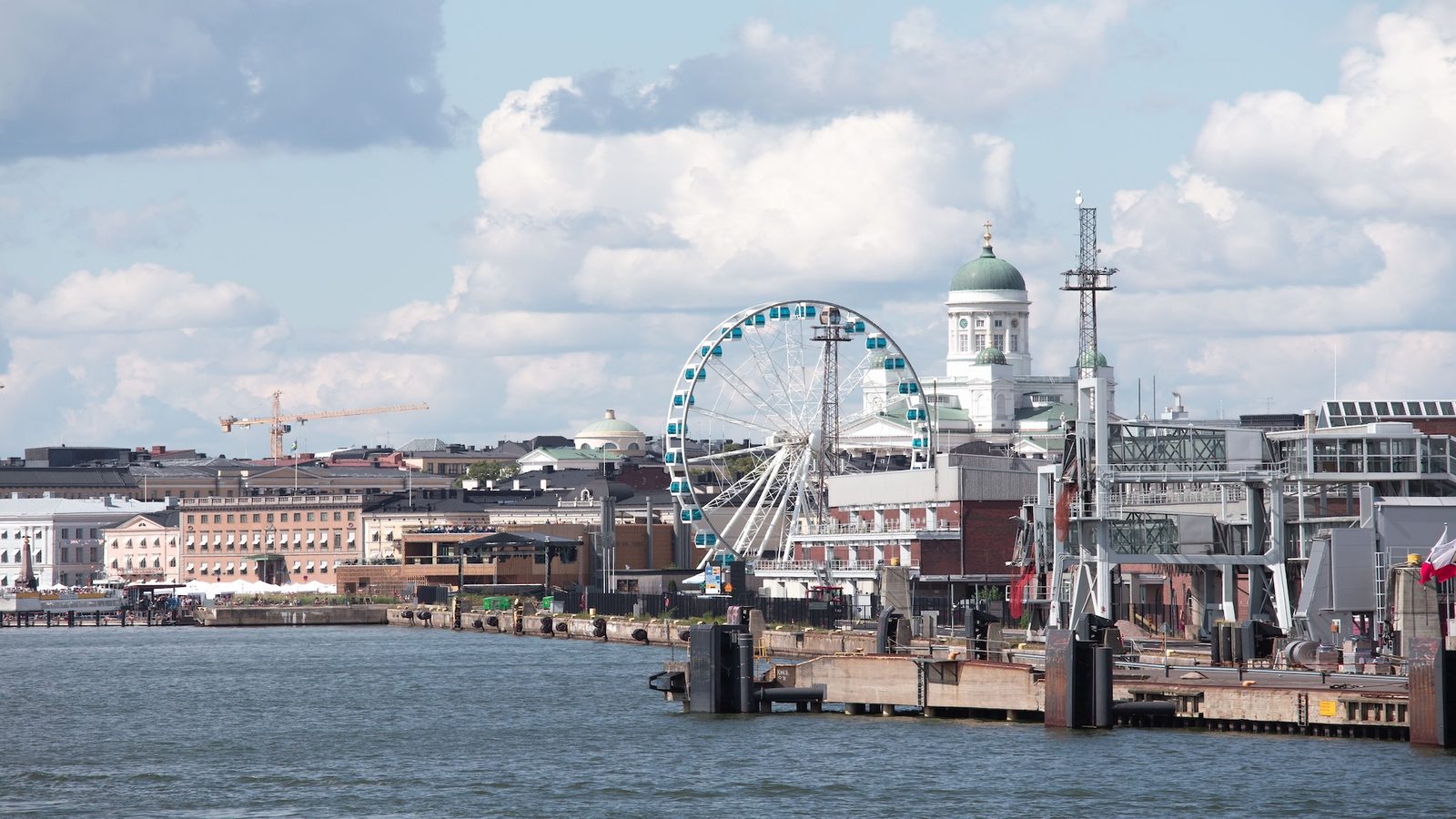
Helsinki's City Council approved a resolution on 9 October 2026 banning advertising connected to fossil fuels and fossil fuel-related products on public out-of-home inventory, according to reporting by Euronews cited in the invidis article. The decision matters for OOH and DOOH operators because it adds another major European capital to a growing list of cities restricting what categories can run on street furniture, transit and public digital screens, and it signals how far these restrictions might extend into adjacent sectors like airlines and automotive.
The resolution followed eight months of deliberation and was modeled on earlier bans in Stockholm and The Hague. Helsinki joins Amsterdam, The Hague, Utrecht, Edinburgh, Florence, Bristol, Coventry, Gothenburg and several Brussels-Capital Region districts, bringing the total to more than 50 European municipalities with comparable restrictions, per the report.
Scope still undefined
Unlike Amsterdam, which banned meat advertising alongside fossil fuel ads to support its 2050 food-emission targets, or Edinburgh and Bristol, which extended restrictions to downstream industries such as airlines, airports, cruise operators and car brands, Helsinki has not yet specified where it will land on that spectrum. The city says it will publish its actual list of restricted categories before its current advertising contracts expire in 2035.
That timeline sets Helsinki apart from Amsterdam and The Hague, both of which imposed their bans with immediate effect. For operators currently holding Helsinki contracts, including Outshine and Keskisuomalainen according to invidis, this means no immediate change to sellable inventory or ad categories.
Money was the sticking point
The council's own deliberations point to revenue as the central concern. Current outdoor advertising contracts in Helsinki are worth nearly €100 million, and the council noted that the financial impact of a ban could run into the millions or tens of millions of euros. That calculation appears to explain why the council adopted the resolution in principle but postponed implementation for roughly a decade rather than enforcing it now.
For media owners and DOOH ad sales teams, the Helsinki decision is a reminder that category restrictions are becoming a standard feature of municipal advertising contracts in Europe, not an outlier. The report notes that Toronto and Liverpool are among other cities currently reviewing similar policies, suggesting operators bidding on new municipal OOH and DOOH contracts should expect category exclusions to be a recurring negotiating point going forward. The announcement does not specify what, if any, replacement advertising categories or revenue-sharing terms Helsinki is considering to offset the expected shortfall.
The announcement in full
Reproduced from invidis for reference. Digital Signage Magazine did not write the text below.
The Finnish capital follows Amsterdam and other cities in voting for strict bans on OoH advertising for fossil fuels and carbon-intensive products.
Helsinki is the latest European city to ban the use of its public spaces for any advertising connected to fossil fuels or fossil fuel-related products or industries. This was reported by Euronews early in October .
The City Council approved the proposal on 9 October 2026. The resolution came after eight months of deliberations and referrals to the City Board and other stakeholders. The motion asked the councilors to “investigate the possibility of restricting the advertising of fossil fuels, taking an example from Stockholm and The Hague.”
The Hague and Stockholm are just two among many European cities that have preceded Helsinki in passing similar resolutions. While The Hague has the distinction of being the first municipality in the world to adopt such a comprehensive ban against high-carbon advertising and sponsorships, Amsterdam is perhaps most prominent example . The Dutch capital imposed its ban in May 2026, overriding protests from the private sector.
Other than Amsterdam, The Hague and now Helsinki, over 50 European municipal authorities have imposed comparable bans, including Utrecht, Amsterdam, Edinburgh, Florence, Bristol, Coventry, Gothenburg and several districts within Belgium’s Brussels-Capital Region.
The resolutions vary quite widely in scope. The Hague and Stockholm, for example, specifically targeted direct fossil energy products. Edinburgh and Bristol went further by screening out major industries downstream from the oil and gas sector, such as airlines, airports, cruise operators and car brands. Amsterdam has added a ban on meat advertising in support of its 2050 food-emission goals.
It is not yet certain where Helsinki will be positioned on this spectrum. The city will only publish its list of restrictions sometime before the expiry of its current advertising contracts in 2035. This sets the Finnish capital apart from other European cities. Whereas The Hague and Amsterdam imposed their bans with immediate effect, Helsinki is prepared to wait almost a decade before implementing its resolution. As invidis understands, Helsinki holds OoH contracts with Outshine and Keskisuomalainen at the moment.
The main reason for the delay appears to be financial. The final decision was held back by discussions about “the effects of a potential advertising ban on the city’s finances.” The Council noted that the total value of current outdoor advertising contracts is nearly €100 million, and that the impact of the ban on the city coffers “would run into millions, or even tens of millions of euros.” Considering this financial uncertainty, the council ultimately adopted the resolution but decided to hold off on its implementation.
It seems certain that Helsinki will not be the last city to ban fossil fuel advertising. Several major municipalities around the world, including Toronto and Liverpool, among others, are currently in active stages of deliberation, policy drafting or legal review on high-carbon advertising restrictions.