GCC Digital Signage Market Recalibrates Six Months After Iran Conflict
2026-08-27 · via invidis
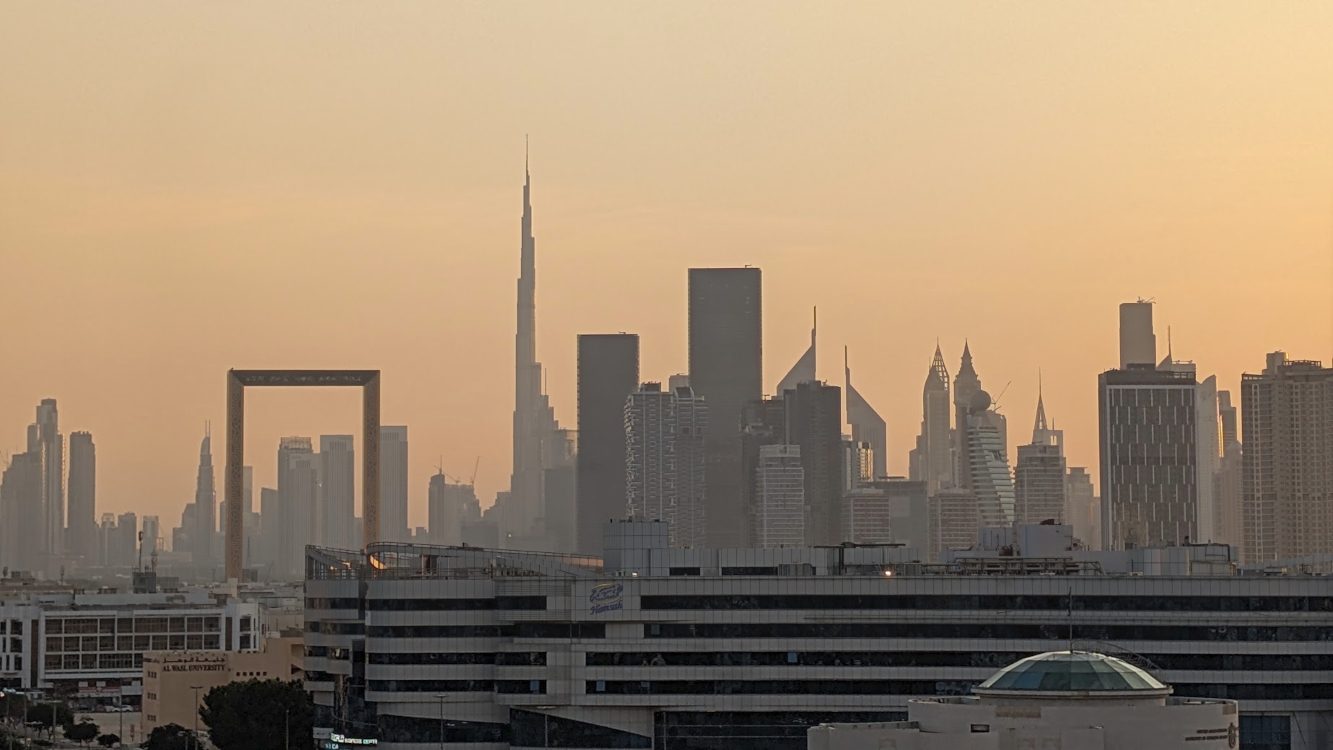
Six months after the outbreak of the Iran conflict and what invidis describes as the de facto closure of the Strait of Hormuz, the Gulf's digital signage market is settling into a more cautious phase, according to an analysis published by invidis. For anyone running screens or bidding on projects in the region, the takeaway is that big flagship rollouts are on hold while smaller, faster-payback deployments are starting to move again.
invidis says the conflict disrupted supply chains across the Gulf, citing shortages of steel, displays, timber and furniture components as drone and missile attacks and logistics disruptions cut off traditional shipping routes. Alternative routes have since opened, but invidis says supply chains remain strained. Combined with a sharp drop in project demand, the outlet says vendors and integrators faced a double hit: less business coming in, and higher friction getting hardware into the region at all. According to invidis, international suppliers largely wrote off the GCC as a growth market for 2026 in the immediate aftermath.
The picture six months on is more mixed than that initial pessimism suggested. invidis reports that local digital signage specialists are seeing a gradual pickup in project inquiries, concentrated in government-led initiatives and smaller deployments that promise measurable returns without large capital outlay. The piece does not name specific companies, projects, contract values or inquiry volumes, so it is worth treating this as directional commentary rather than hard market data.
What it means for operators and integrators
invidis frames this as a possible structural shift rather than a temporary dip: the era of large, spectacle-driven signage projects funded by seemingly unlimited budgets may be giving way to a focus on efficiency and demonstrable business outcomes. That plays to digital signage's traditional strengths compared with big infrastructure spending: faster deployment, lower upfront cost, and quicker visible results.
invidis expects local integrators with existing government relationships and regional execution track records to be best positioned in this environment, while global retail brands may keep delaying flagship projects until geopolitical risk eases. Public-sector and local enterprise demand is described as the part of the market showing the clearest signs of recovery.
What the analysis does not provide is quantified detail: no figures on how far demand fell, how much project activity has since recovered, or which specific verticals (retail, transport, hospitality) are leading the rebound. For operators watching the GCC as a growth market, that lack of hard numbers means the “reset” narrative is still more directional than measurable at this stage.
The announcement in full
Reproduced from invidis for reference. Digital Signage Magazine did not write the text below.
Six months after the outbreak of the Iran conflict, mega-projects have slowed down and investment priorities shifted across the Gulf. The impact for digital signage and DooH is considerable, but signage and DooH are emerging as strategic tools for digital transformation rather than showcase technologies.
Every few years, industry observers predict that the Gulf’s digital signage boom has peaked. Yet time and again, the GCC proves the skeptics wrong. From Dubai and Abu Dhabi to Riyadh and Doha, the region continues to reinvent itself, creating fresh demand for digital experiences across retail, transportation, hospitality, entertainment, and public spaces.
Six months after the outbreak of the Iran conflict and the de facto closure of the Strait of Hormuz, the market is facing a new reality. Mega-projects are advancing more cautiously, oil revenues are under pressure, and governments are scrutinizing investments far more carefully than during the exuberant post-pandemic years. The conflict brought economic activity across the Gulf to an abrupt slowdown, and the digital signage sector was no exception.
Drone and missile attacks across the region, combined with severe disruptions to global logistics networks, effectively isolated Gulf markets from many traditional supply routes. While alternative shipping channels have since been established, supply chains remain under strain. For the digital signage industry, this translated into shortages of key materials and components, ranging from steel and displays to timber and furniture products.
At the same time, demand weakened dramatically. The combination of declining project activity and restricted product availability created a perfect storm for vendors, integrators, and technology providers. International suppliers quickly wrote off the GCC as a meaningful growth market for 2026, assuming that investment would remain frozen for the foreseeable future.
Yet half a year into the crisis, the picture is becoming more nuanced. While overall demand remains well below pre-conflict expectations, the region is once again demonstrating its remarkable resilience. Local digital signage specialists are reporting a gradual increase in project inquiries, particularly in government-led initiatives and smaller-scale deployments that deliver measurable value with limited capital expenditure.
In many ways, the conflict may mark a turning point for the industry. The era of seemingly unlimited budgets and spectacular showcase projects is giving way to a stronger focus on efficiency, business outcomes, and long-term value creation. Governments continue to prioritize the digitalization of public spaces, while organizations across the GCC are looking for technologies that improve communication, customer engagement, and operational efficiency.
This shift plays directly to the strengths of digital signage and digital out-of-home (DooH). Compared with large-scale infrastructure investments, digital signage projects can be implemented relatively quickly, require modest investment, and produce visible results. As a result, they are well positioned to benefit from the region’s next investment cycle.
The winners are likely to be local integrators with strong government relationships, proven execution capabilities, and deep regional expertise. Global brands, meanwhile, may continue to postpone flagship retail projects until geopolitical uncertainty eases. However, public-sector and local enterprise demand is already showing signs of recovery.
The GCC digital signage market may be entering a new chapter – less one-off digital spectacle and more value-creating concepts. If so, the current crisis could ultimately prove to be a healthy reset. The fundamentals remain strong, the appetite for digital transformation is undiminished, and the region retains enormous long-term potential.
Iconic DooH : Piccadilly Lights Pay Tribute to Dolly Parton
Retail : Rituals Modernizes 1,500 Stores
Stratacache Sell-Off Continues : Perion Acquires PRN
Haynes Column : Samsung Layoffs, Wind-Down of Wi-Charge, and the Ongoing Stratacache Firesale