Forté-GPA Split Set to Reshape Vendor Relationships in Digital Signage
2026-08-13 · via invidis
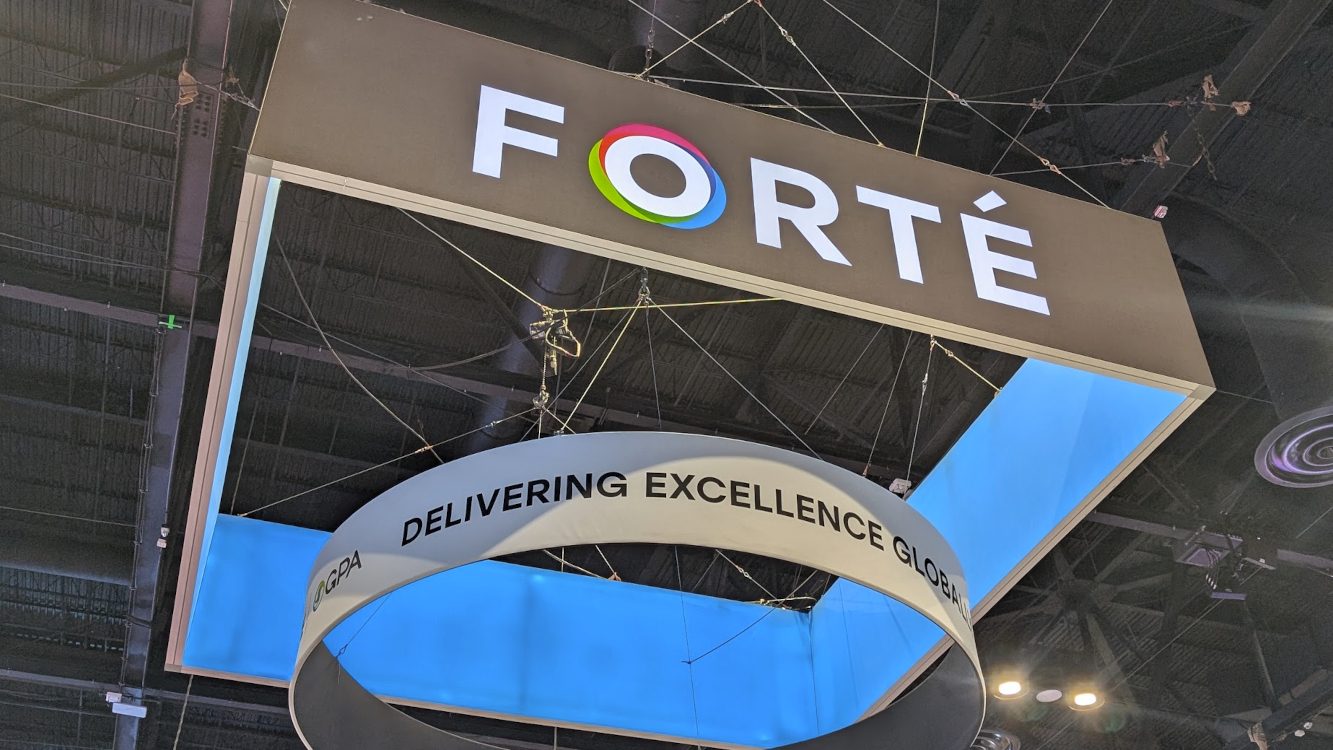
The AV integrator alliance GPA is losing one of its largest members. Forté is splitting off from GPA to build its own global operation, a move that industry watchers at invidis call one of the most significant developments in the ProAV sector this year. For digital signage vendors, the change matters because it alters who controls access to some of the largest enterprise deployment projects in North America and Europe.
GPA has functioned as more than a loose network of integrators with overlapping geographic coverage. It operates as a global procurement platform, letting member companies pool buying power and negotiate preferred vendor terms with manufacturers. For display makers and software providers, becoming a GPA-approved supplier has been a way to reach enterprise communications specialists and multinational rollouts without negotiating each regional relationship separately. Until now, Forté's substantial North American and European footprint was part of that package.
Once Forté exits, GPA's collective purchasing power is expected to shrink, though the alliance will still represent significant enterprise volume, according to the report. Putting a number on the impact is difficult. GPA's ecosystem has often been associated with annual revenues approaching USD 2 billion, but limited public financial disclosure and the complexity of partner-driven revenue make it hard to say how much of that was tied to Forté specifically.
What it means for vendors
The practical shift for digital signage suppliers is a change in who they need to court directly. Display manufacturers named in the report, including Samsung, LG, Philips, Sony and Sharp, are likely to start treating Forté as a strategic global account in its own right rather than approaching it through the GPA relationship. The same logic applies to digital signage software vendors, workplace experience platforms and remote device management companies, all competing for enterprise technology budgets.
The timing adds pressure. Enterprise communications and workplace technology are described as among the fastest-growing vertical markets in 2025 and 2026, driven by hybrid work and the convergence of AV, IT and managed services. That growth means both GPA and a standalone Forté remain attractive routes to market, but vendors will need separate go-to-market strategies for each rather than relying on a single alliance relationship to cover both.
The report does not specify a timeline for when the separation takes full effect beyond noting the reshaped landscape applies from 2027 onwards, nor does it detail what commercial terms, if any, will govern the transition for vendors already holding GPA agreements that touched Forté's regions.
The announcement in full
Reproduced from invidis for reference. Digital Signage Magazine did not write the text below.
The Forté-GPA separation will not only reshape global AV integration but also create new dynamics for digital signage vendors. As Forté builds its own global ecosystem, manufacturers and software providers will be keen to strengthen direct relationships with the industry heavyweight.
The separation of Forté and GPA is one of the most significant developments in the ProAV industry this year. While hardly unexpected, the move will reshape the competitive landscape for workplace technology providers from 2027 onwards. A standalone Forté will emerge with considerable scale, growing international reach and greater strategic flexibility. But what does the split mean for the digital signage ecosystem?
GPA is far more than a network of integrators with complementary geographic coverage. The organization also functions as a global procurement platform, allowing members to benefit from international supplier agreements and preferred vendor relationships. For manufacturers and technology providers, becoming a GPA-approved supplier is an investment, but one that offers access to some of the world’s leading enterprise communications specialists and multinational projects. Until now, that value proposition also included Forté’s substantial presence across North America and Europe.
With Forté’s departure, GPA’s procurement power will inevitably be reduced, but not diminished to the point of irrelevance. The alliance will continue to represent a significant volume of enterprise business and remain an attractive route to market for manufacturers and software providers. However, the combined purchasing influence of the organization is expected to decline materially once Forté exits the network. While GPA’s ecosystem has often been associated with annual revenues approaching USD 2 billion, estimating the post-separation impact is difficult due to limited public financial disclosure and the complexity of revenues generated through partner relationships.
For the digital signage industry, the implications extend well beyond procurement. Display manufacturers including Samsung, LG, Philips, Sony and Sharp will increasingly view Forté as a strategic global account in its own right rather than primarily through the GPA ecosystem. The same applies to digital signage software vendors, workplace experience platforms and remote device management providers, all of which are competing for a larger share of enterprise technology budgets. The timing is particularly relevant. Enterprise communications and workplace technology continue to rank among the fastest-growing vertical markets in 2025 and 2026, driven by hybrid work, employee experience initiatives and the growing convergence of AV, IT and managed services. As a result, both GPA and Forté are likely to remain highly attractive partners for digital signage vendors, albeit through increasingly different business models and go-to-market strategies.