Elevator Ad Network Vertical City Reaches 10,000 Screens
2026-10-14 · via Digital Signage Today
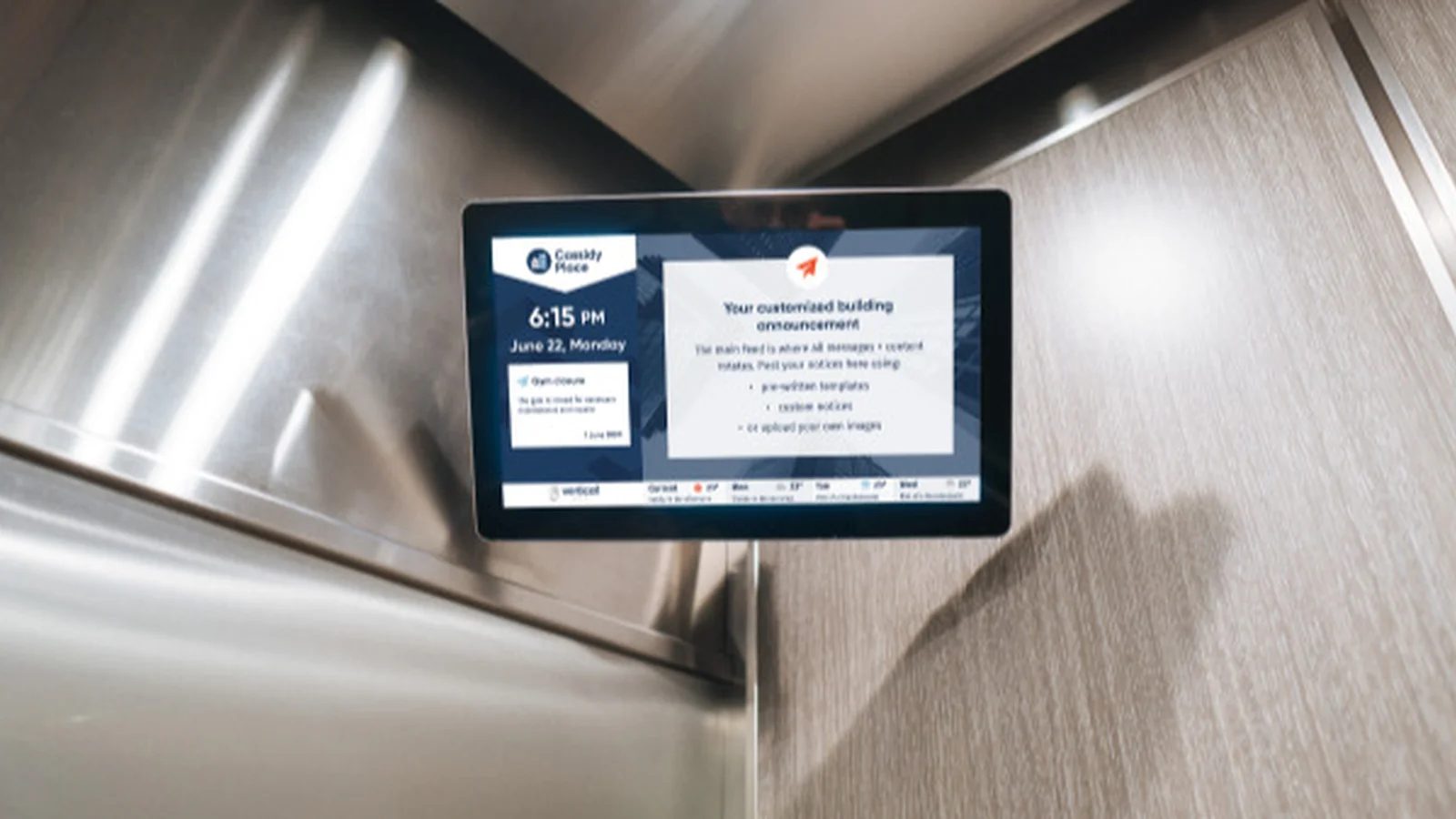
Vertical City says its elevator advertising network has reached 10,000 screens across the U.S. and Canada, according to a company press release. The company expects to become the largest elevator screen network in North America by early 2027.
For operators and media buyers watching the digital-out-of-home space, the number matters because of how Vertical City gets those screens installed. Rather than selling and mounting standalone displays in elevator cabs, the company partners directly with elevator manufacturers and supplies the software that runs on screens built into the elevator systems themselves. That software handles emergency communication, floor information and building messaging, with advertising and other content layered on top.
"Once screens became part of the elevator itself, the model changed," Fouad El-Masri, CEO and co-founder of Vertical City, said in the release. "Integration into that infrastructure changes the economics and the speed at which a media network can grow."
Why the distribution model matters
Most elevator media networks have historically relied on retrofitting cabs with bolt-on tablets or panels, which means sales reps, property managers and installers all have to coordinate building by building. By riding along with elevator manufacturers during new installs and modernizations, Vertical City is positioning its screens as part of the base building infrastructure rather than an add-on. That could lower the marginal cost of adding each new screen and speed up rollout, though the release does not break out how many buildings, manufacturers or markets are involved, or what portion of the 10,000 screens are new installs versus retrofits.
The release also frames the network's value proposition beyond advertising: building owners get a direct communication channel to tenants, residents and visitors, with safety and wayfinding messaging bundled alongside any ad inventory. That dual-use pitch is common among captive-audience networks, since it gives property owners a functional reason to adopt the screens even before ad revenue is considered.
What is left unanswered
The announcement does not disclose ad rates, specific advertisers, screen specifications, or how Vertical City measures audience reach and impressions, all of which matter for media buyers evaluating elevator DOOH against other captive-audience formats like building lobby displays, gas station screens or transit networks. It also does not name the elevator manufacturers it partners with or detail how its software integrates with existing building management systems. Those details would help operators and advertisers assess how defensible the manufacturer-partnership model is against competitors trying to win screen placements through direct building sales instead.
The announcement in full
Reproduced from Digital Signage Today for reference. Digital Signage Magazine did not write the text below.
Vertical City's elevator advertising network has reached 10,000 screens across Canada and the U.S.
The company expects to be the largest elevator screen network in North America by early 2027, according to a press release.
Vertical City partners with elevator manufacturers to provide software for screens deployed as part of their elevator systems. The software supports emergency communication, floor information, building messaging and other content, giving properties a direct channel to tenants, residents and visitors while creating new digital OOH inventory.
"Once screens became part of the elevator itself, the model changed," Fouad El-Masri, CEO and co-founder of Vertical City, said in the release. "Integration into that infrastructure changes the economics and the speed at which a media network can grow."
Vertical City provides the software layer that powers that experience across a growing number of screens.
Get the latest news and resources from Digital Signage Today.