DigiLED's Zeus Power-Saving System Gains Made in Britain Certification
2026-09-10 · via AV Magazine
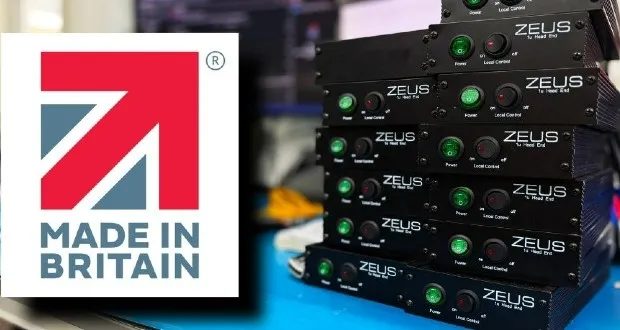
DigiLED's Zeus energy and carbon saving system for LED displays has been certified under the Made in Britain scheme, the company says. The trademark is used as a mark of origin and manufacturing standard for buyers evaluating suppliers.
For operators, the certification is less important than what Zeus actually does: it addresses the common practice of leaving LED displays in a pseudo-standby state overnight, showing a black screen or test pattern rather than powering down fully. According to DigiLED, screens left in that state can still draw as much as 30% of their maximum power. Over the operational life of a display, that adds up to significant wasted energy spend and unnecessary carbon output.
Zeus, invented by DigiLED head of technical Tom Mudd, powers displays down when not in use and can soft-start them again at the touch of a button. The company says the system is designed to work across screens of different sizes and applications, and includes analytics and reporting along with additional features aimed at outdoor installations.
DigiLED says Zeus has been deployed on more than 360 installations globally since launching four years ago, spanning stadiums, arenas, immersive spaces, corporate sites and attractions. The company cites Huddersfield Town Football Club, which installed Zeus on its main stadium screen ahead of the 2025 season, as an example: based on current energy costs, DigiLED says the system will save the club more than £125,000 over seven years and cut the stadium's carbon emissions by 138 tonnes.
The Made in Britain angle matters for procurement teams increasingly asked to account for supply chain provenance and embodied carbon, not just operating costs. DigiLED founder and chief executive Graham Burgess said Zeus is built to remain reliable over years of daily use without stressing internal components. Mudd added that manufacturing the product domestically avoids the freight and associated CO2 of shipping components in from China, on top of the operational savings the system delivers.
What the announcement does not say is pricing, retrofit compatibility details for third-party LED displays, or how the seven-year Huddersfield Town projection was calculated beyond referencing current energy costs. Operators considering standby power tools for existing LED estates will want those specifics, along with clarity on installation requirements and whether Zeus works only with DigiLED hardware or can be fitted to displays from other manufacturers.
Standby power draw on large-format LED has been a known issue in the venue and DOOH sectors for years, and DigiLED is not alone in offering power-down tools, though the company positions Zeus's install base and soft-start functionality as differentiators. For venues with high energy costs and public sustainability commitments, such as sports stadiums, the case for retrofitting this kind of system is straightforward on paper. Whether the savings hold up in practice will depend on local energy tariffs and how the systems perform over the claimed multi-year lifespan.
The announcement in full
Reproduced from AV Magazine for reference. Digital Signage Magazine did not write the text below.
By AV Magazine in Products , Sustainability , UK&I September 10, 2026 0
The digiLED Zeus system powers LED displays down when not in use, reducing the money spent on power consumption and the associated carbon emissions.
The DigiLED Zeus energy and carbon saving system for LED displays has been awarded Made in Britain status.
The internationally recognised trademark acts as a transparent mark of origin, quality and ethical manufacturing standards for buyers.
DigitaLED Zeus was invented by the company’s head of technical, Tom Mudd, to solve the issue of most LED displays being left in a pseudo-standby overnight, showing a black video or test pattern during downtime.
In that state, they can still draw as much as 30% of their maximum power. Over the life of a screen, those wasted hours can add up to a lot of money and tonnes of needless carbon emissions.
DigiLED Zeus not only powers screens down when not in use, but it can also soft-start the displays at the touch of a button.
Since its launch four years ago, the system has been deployed on more than 360 installations worldwide across stadiums, arenas, immersive spaces, corporate sites and attractions.
Huddersfield Town football club installed digiLED Zeus on its main stadium screen before the 2025 season. Based on today’s energy costs, the system will save the club more than £125,000 in energy costs over the next seven years, while cutting the stadium’s carbon emissions by 138 tonnes.
Graham Burgess, founder and chief executive of digiLED, said: “DigiLED Zeus is built to work on screens of any size, shape or application, stay reliable without stressing internal components over years of daily use, and comes with analytics, reporting and extra features for outdoor operation.”
“It was always the plan to prototype digiLED Zeus in the UK, but why not manufacture here, too?” added Mudd. “The fact that they are not shipped in from China, adding freight and CO2, and that it’s helping people cut their screens’ impact on the planet, is the icing on the cake.”