Context Networks Adds Broadsign to Push Casino Screens Into Programmatic DOOH
2026-09-25 · via invidis
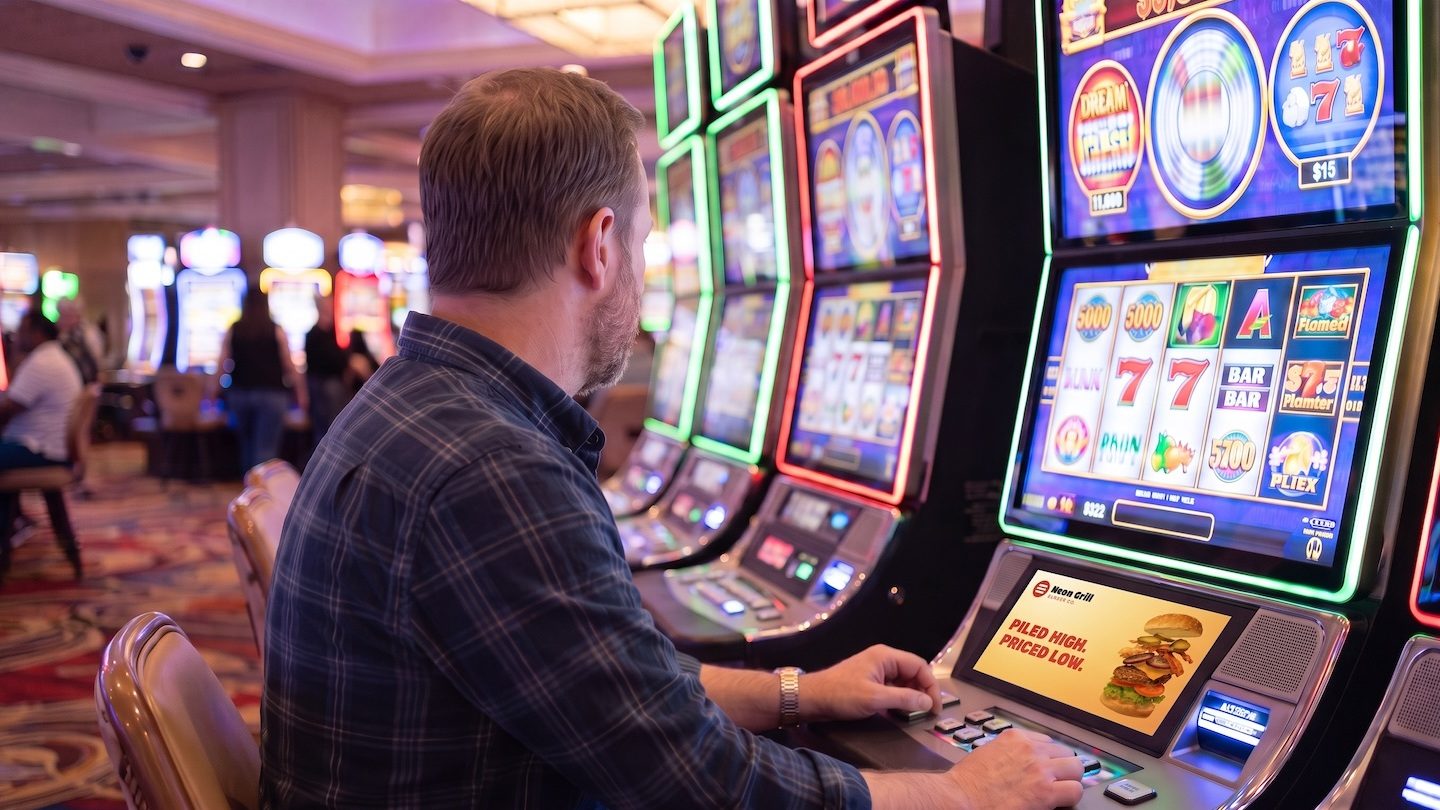
Context Networks is connecting its casino and gaming screen network to Broadsign's ad management platform and the Place Exchange marketplace, giving programmatic buyers a route into a category of screens that has largely sat outside standard out-of-home buying workflows. The companies plan to demonstrate the setup at the Global Gaming Expo, running September 28 through October 1 at The Venetian Expo in Las Vegas.
For operators running screens in gaming environments, this is a case of infrastructure catching up to inventory. Context Networks says advertising and operator content are already live on screens across 14 states and 23 designated market areas through its Contextual Promotions Media Network. What changes is the plumbing behind it: Broadsign takes over content and campaign management, reporting, and programmatic access, while Context Networks continues to supply the operator relationships, screen integrations and its contextual advertising approach.
That division of labor is a familiar pattern in DOOH. Media owners increasingly outsource the ad-tech stack to established platforms rather than build it themselves, and Broadsign has been positioning itself as that layer for networks that want programmatic reach without standing up their own sales and delivery infrastructure. Pairing with Place Exchange gives Context Networks access to a marketplace already used by agencies and brands buying OOH inventory through programmatic channels, rather than requiring direct deals.
Gaming is the first vertical, which makes sense given the operating constraints involved. Casino floors carry security, regulatory and day-to-day operational requirements that most retail or transit screens don't. According to the announcement, participating operators will keep control over which screens carry advertising, what content is allowed to run, and how paid campaigns are sequenced alongside house promotions and operational messaging. That operator veto is likely to matter more here than in most DOOH deals, since gaming venues have little tolerance for ad content that conflicts with compliance rules or house messaging.
Matthew Olden, founder, COO and executive chair of Context Networks, said Broadsign gives the company "proven infrastructure to scale our model without losing what makes it valuable: contextual relevance, operator control and measurable monetization."
The companies say the model could extend beyond casino floors to ATMs, kiosks, digital faucets and hotel concierge apps, framing these as other operator-controlled environments that could be opened to advertisers through familiar buying workflows. That is a notable ambition, since those venues carry different audiences and different sensitivities than a casino floor.
What the announcement does not say is how many screens will actually be available to programmatic buyers at launch, or what the rollout timeline looks like beyond the trade show demonstration. For an industry watching how quickly niche, operator-controlled venues get absorbed into mainstream programmatic buying, those numbers will matter more than the partnership announcement itself.
The announcement in full
Reproduced from invidis for reference. Digital Signage Magazine did not write the text below.
The partnership will connect eligible screens to Broadsign’s ad management platform and Place Exchange marketplace. Gaming displays are the first focus, with demonstrations planned for next week’s Global Gaming Expo, September 28 through October 1, at The Venetian Expo in Las Vegas.
Context Networks is using Broadsign’s platform to manage content and advertising across its Contextual Promotions Media Network and make eligible inventory available to programmatic buyers through Place Exchange.
The initial focus is gaming is on gaming and Context Networks says advertising and operator content are already running on screens in distributed gaming environments, with its current footprint spanning 14 states and 23 designated market areas.
The arrangement provides Context Networks with a way to onboard more screens and reseller partners while using Broadsign for campaign delivery, reporting and access to programmatic demand. Context Networks contributes its operator relationships, screen integrations and contextual advertising model.
Participating operators will retain control over which screens carry advertising, what can appear on them and how paid campaigns run alongside their own promotions and operational content. Those controls are especially relevant on gaming screens, where advertising must fit around security, regulatory and day-to-day operating requirements.
“Broadsign gives us a proven infrastructure to scale our model without losing what makes it valuable: contextual relevance, operator control and measurable monetization,” said Matthew Olden, founder, COO and executive chair of Context Networks.
Context Networks sees applications beyond casino floors, including ATMs, kiosks, digital faucets and hotel concierge apps. The companies say the integration will give advertisers access to screens in these operator-controlled environments through familiar OoH buying workflows, though the companies have not said how many screens will be available to programmatic buyers initially.