Broadsign Report: Programmatic DOOH Spend Spreads Across Sectors
2026-08-07 · via invidis
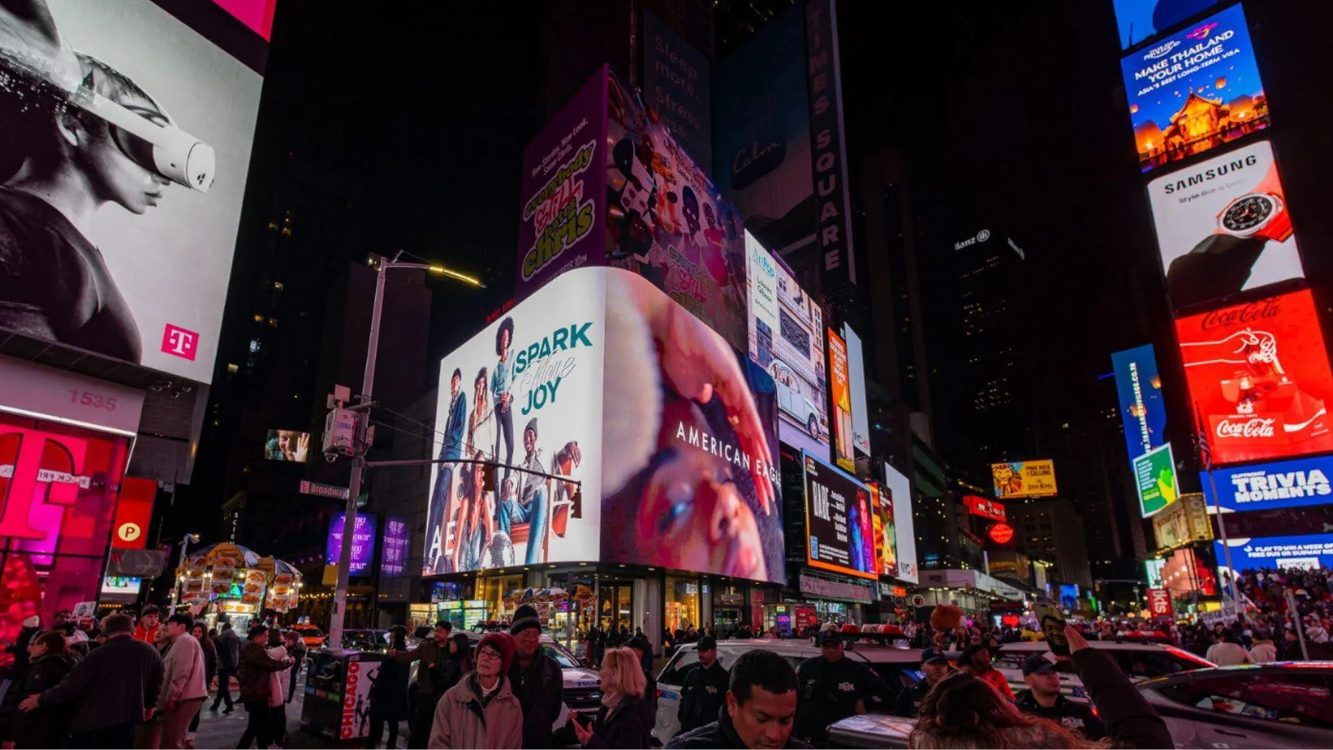
Broadsign has published its 2026 Programmatic DOOH Trends Report, arguing that programmatic buying on digital out-of-home screens has moved past the experimental stage. For operators selling ad inventory through programmatic channels, the report offers a picture of which categories are actually spending money and how deals get structured, which matters for anyone setting rate cards or courting new advertiser verticals.
The data comes from Broadsign and Place Exchange transactions covering full-year 2025 and the first quarter of 2026, according to the report.
Who is buying
Food & Drink was the largest advertiser category in 2025, taking an 18.5 percent share of spend, according to Broadsign. Shopping followed at 11.8 percent, with Personal Finance and Technology rounding out the top four at 10.5 and 8.9 percent respectively. That spread across four fairly distinct sectors is the basis for Broadsign's claim that the channel has matured beyond a small pool of early adopters such as auto or entertainment brands.
By venue type, Outdoor screens captured the largest share of spend at 48.4 percent, ahead of Retail at 18.5 percent, Transit at 12.7 percent and Entertainment at 10.4 percent. The report does not break out how much of that Outdoor figure comes from large-format roadside media versus street furniture or other placements.
Formats and deal types
Creative sizing stayed narrow despite the range of buyers. Two video formats, 1080-by-1920 and 1920-by-1080, accounted for 77 percent of video spend combined. For display ads, three formats, the same two plus 1400-by-400, made up 79 percent of spend. That concentration suggests media owners with nonstandard screen dimensions may still be at a disadvantage in programmatic marketplaces, since buyers appear to be optimizing creative for a small set of common aspect ratios rather than building out custom assets per venue.
On deal structure, custom private marketplace deals dominated at 65.8 percent of transaction share in 2025, with always-on PMP deals taking 20.5 percent. The report does not specify what share, if any, went to open exchange or programmatic guaranteed deals, which would be useful context for comparing DOOH to how programmatic display and video advertising is typically bought.
Broadsign frames the findings as evidence that programmatic DOOH has broadened its advertiser base and settled into more standardized buying patterns. The company has not published pricing trends or year-over-year growth figures alongside these category and format breakdowns in the summary released so far. The full report is available on Broadsign's website.
The announcement in full
Reproduced from invidis for reference. Digital Signage Magazine did not write the text below.
A new Broadsign report finds programmatic DooH spend now spans a broad mix of advertiser categories, a sign the channel has matured.
Programmatic DooH is no longer a niche channel for early testers, according to Broadsign. The company’s new 2026 Programmatic DooH Trends Report points to a broad advertiser mix spanning numerous industries – a sign of a maturing market.
The findings draw on Broadsign and Place Exchange transaction data covering full-year 2025 and Q1 2026.
Food & Drink remained the largest advertiser category in 2025, with an 18.5 percent share of spend, ahead of Shopping at 11.8 percent. Personal Finance and Technology ranked third and fourth, at 10.5 and 8.9 percent.
Outdoor accounted for 48.4 percent of spend, ahead of Retail at 18.5 percent, Transit at 12.7 percent and Entertainment at 10.4 percent. Creative formats concentrated around a handful of standard sizes: the 1080-by-1920 and 1920-by-1080 video formats together made up 77 percent of video spend.
Among display ads, three formats – 1080-by-1920, 1920-by-1080 and 1400-by-400 – accounted for 79 percent of spend combined. Custom private marketplace deals were the dominant transaction type in 2025 at 65.8 percent, while always-on PMP deals took a 20.5 percent share.
The full Programmatic DooH Trends Report is available via the Broadsign website .