Brisbane Airport Deploys 950 LG Displays with SuperSign CMS
2026-11-19 · via Digital Signage Today
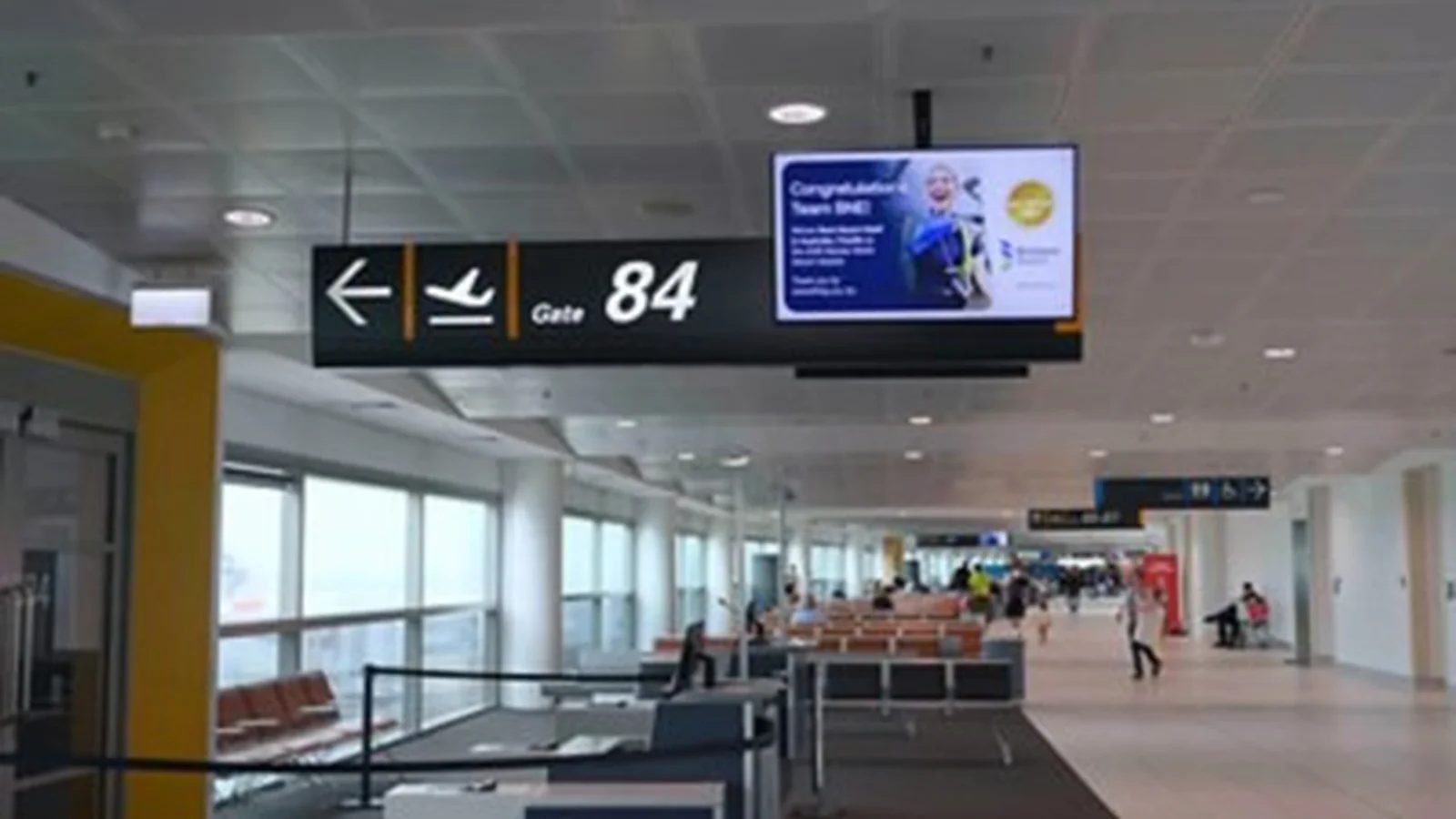
Brisbane Airport has rolled out 950 LG displays managed through LG's SuperSign CMS, replacing a fragmented digital signage setup that lacked centralized oversight, according to a press release from LG. For an airport operator, the shift means IT and operations staff can now monitor an entire display fleet remotely instead of relying on manual, in-person checks.
The screens cover domestic and international terminals, baggage handling areas, and car parks, running flight information displays, gate information, wayfinding, and operational messaging around the clock. Michael Kerr, integrated operations manager at Brisbane Airport Corporation, said in the release that display reliability is essential because when screens fail, passengers lose their way. That is a familiar pressure point for any large transit venue running mission-critical signage rather than promotional content.
Local integrator Programmed handled deployment alongside LG. Graham Wands, business development manager at Programmed, said in the release that the project moved the airport from a fragmented system with little management visibility to a centralized, monitored network. He credited SuperSign with letting the team take a proactive approach to keeping flight information displays and other signage available.
No external media players
One detail worth flagging for operators evaluating similar upgrades: LG says the displays run on its embedded System-on-Chip platform with an internal web page player, so real-time flight data and content play directly on the screens without separate media players. That simplifies the network architecture and removes a layer of hardware that typically needs its own power, maintenance, and failure points. It also deepens the airport's dependence on LG's embedded platform rather than a hardware-agnostic player setup, which is a tradeoff some integrators weigh when they want flexibility to mix display brands down the line.
The release does not specify which LG display models are installed, the project timeline, or the cost of the deployment. It also does not say whether the SoC-based architecture required any changes to the airport's existing content workflows or network infrastructure beyond the CMS switch.
For the digital signage industry, this is another large-scale transit deployment favoring an all-in-one vendor stack, display, CMS, and embedded player from a single supplier, over a mixed-vendor approach with third-party media players. Airports and transit hubs are a recurring proving ground for that model given the premium placed on uptime and centralized fleet health monitoring over a sprawling physical footprint.
The announcement in full
Reproduced from Digital Signage Today for reference. Digital Signage Magazine did not write the text below.
Brisbane Airport, Australia's third-largest airport. has selected LG technology for its landmark digital infrastructure upgrade.
The airport now runs passenger information across 950 LG displays monitored centrally via LG SuperSign CMS, according to a press release .
The technology replaces a fragmented digital signage system. Covering the domestic and international terminals, baggage handling areas, and car parks, the LG screens deliver real-time flight information displays, gate information, passenger wayfinding, and operational communications reliably across a 24/7 environment.
"The reliability of the displays is essential. Without them working, people are lost — quite literally," says Michael Kerr, integrated operations manager at BAC, said in the release
LG worked alongside local integrator Programmed to deploy the centralized digital signage network. The platform provides ICT and operations teams with comprehensive visibility across the entire display fleet remotely, replacing an otherwise manual process of physical, daily check-ups.
With LG's embedded System-on-Chip platform and internal web page player, real-time flight information and content now play directly on the screens. This removes the need for external media players, simplifying the network architecture.
"We've taken what was a fragmented digital signage system, not very visible to management, now to an integrated modern solution with centralized management and health visibility," Graham Wands, business development manager at Programmed, said in the release. "LG SuperSign enables us to take a proactive stance and make sure that the FIDS and other signage are highly available and always visible to passengers."
Get the latest news and resources from Digital Signage Today.