Avixa and Infocomm Asia Host First Japan Market Meeting in Tokyo
2026-11-19 · via invidis
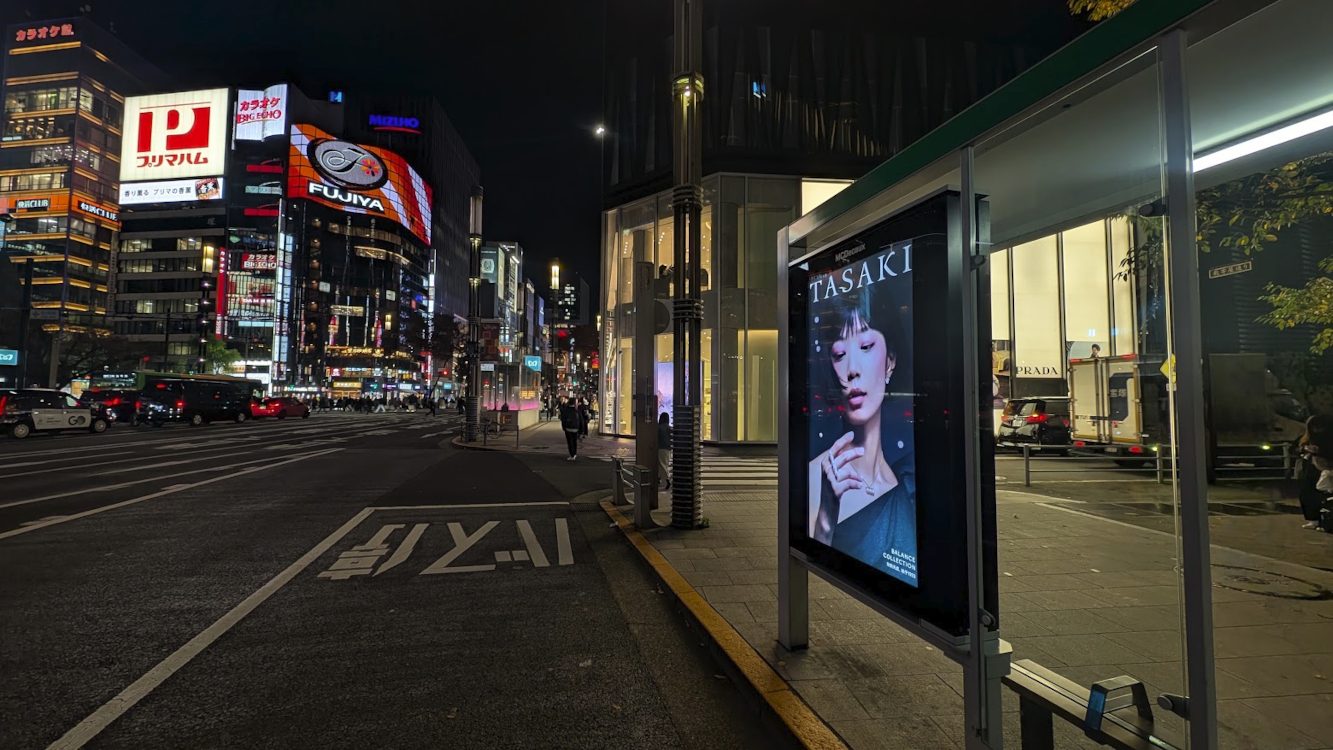
Around 100 digital signage and ProAV professionals gathered in Tokyo this week for the first Japan Market Meeting, hosted by Avixa and Infocomm Asia alongside Inter BEE, Japan's broadcast and media technology trade show. For operators and vendors eyeing expansion in East Asia, the event is a signal that international industry bodies are paying closer attention to a region that has long been difficult for outsiders to crack.
According to invidis, which co-organized the meeting, Japan, South Korea and Taiwan form a distinct cluster within the global signage market: technically advanced, well connected, and populated with demanding customers, but still dominated by domestic vendors. That dynamic limits how much room international CMS providers, display makers and integrators have to gain share.
Local vendors still lead
On the software side, invidis points to Fujitsu and Ricoh as the domestic heavyweights shaping the competitive landscape. Some international players have found footholds. Sweden's Vertiseit has built on its Scala business in Japan and set up a dedicated local team as a base for wider Asian expansion. Forte, which operates as Vega, has established itself in corporate communications deployments. Novisign and Broadsign have each gained traction through local partnerships, according to the report.
The hardware picture looks similar but with a twist by category. In LCD displays, Japan's own manufacturers, including Sony, Sharp/NEC, Panasonic and Iiyama, hold strong positions, with Korean and Chinese display brands playing a comparatively minor role in that segment. In LED, the balance flips: Chinese manufacturers dominate, consistent with the global trend in that category.
Why it matters for operators and suppliers
For signage operators and resellers outside East Asia, the takeaway is less about any single product announcement and more about market structure. Entering Japan, South Korea or Taiwan typically means partnering with or competing against entrenched local players rather than displacing them outright, a pattern that differs from markets in Europe or North America where Broadsign, Scala and similar CMS platforms have broader footholds.
The announcement does not detail specific deal sizes, attendee lists beyond the approximate headcount, or new product launches tied to the meeting. It reads as a networking and market-positioning event rather than a product unveiling.
invidis says it will return to Tokyo in November 2027, again alongside Avixa and Infocomm Asia, with the stated goal of bringing together signage professionals, technology providers and end customers from across the region. No further details on format or scale for that future event were given.
The announcement in full
Reproduced from invidis for reference. Digital Signage Magazine did not write the text below.
Tokyo | Around 100 digital signage and ProAV professionals gathered in Tokyo for the inaugural Japan Market Meeting hosted by Avixa and Infocomm Asia alongside Inter BEE. The event highlighted why Japan and wider East Asia remain among the world's most advanced yet most locally driven digital signage markets, attracting growing attention from international industry players.
East Asia remains one of the world’s most sophisticated digital signage markets, yet it continues to operate by its own rules. Against this backdrop, around 100 representatives from the digital signage and ProAV industry gathered in Tokyo this week for the first Japan Market Meeting, hosted by Avixa and Infocomm Asia. Taking place alongside Inter BEE, Japan’s leading broadcast and media technology trade show, the event also attracted a strong international audience already in the city for the exhibition.
For invidis, Japan, South Korea, and Taiwan form a unique East Asian cluster characterized by demanding customers, highly advanced technology providers, and some of the world’s most connected digital infrastructure. At the same time, these markets share a notable trait: they remain largely dominated by local vendors, leaving only limited opportunities for international players.
This makes regional engagement all the more important. Together with Avixa and Infocomm Asia, invidis is increasing its focus on East Asia as the region receives growing attention from the global digital signage ecosystem. International companies are beginning to recognize the market potential. Sweden-based Vertiseit, for example, is building on years of success with Scala and has established a dedicated Japanese team as the launchpad for its broader Asian expansion. Forte (Vega) has already secured a strong position in corporate communications, while Novisign and Broadsign have gained market presence through local partnerships. Nevertheless, the competitive landscape continues to be shaped primarily by domestic heavyweights such as Fujitsu and Ricoh.
The display market follows a similar pattern. Japan is home to globally recognized manufacturers including Sony, Sharp/NEC, Panasonic, and Iiyama, while Korean and Chinese display brands play a comparatively minor role in the country’s LCD display segment. In LED, however, the picture changes considerably, with Chinese manufacturers dominating the market, as they do across much of the world.
Looking ahead, invidis will return to Tokyo in November 2027 alongside Avixa and Infocomm Asia with the goal of bringing together digital signage professionals, technology providers, and end customers from across the region and beyond.