Amped Digital: Ambient Light, Not Budget, Should Drive Large-Format Display Choice
2026-08-19 · via Digital Signage Today
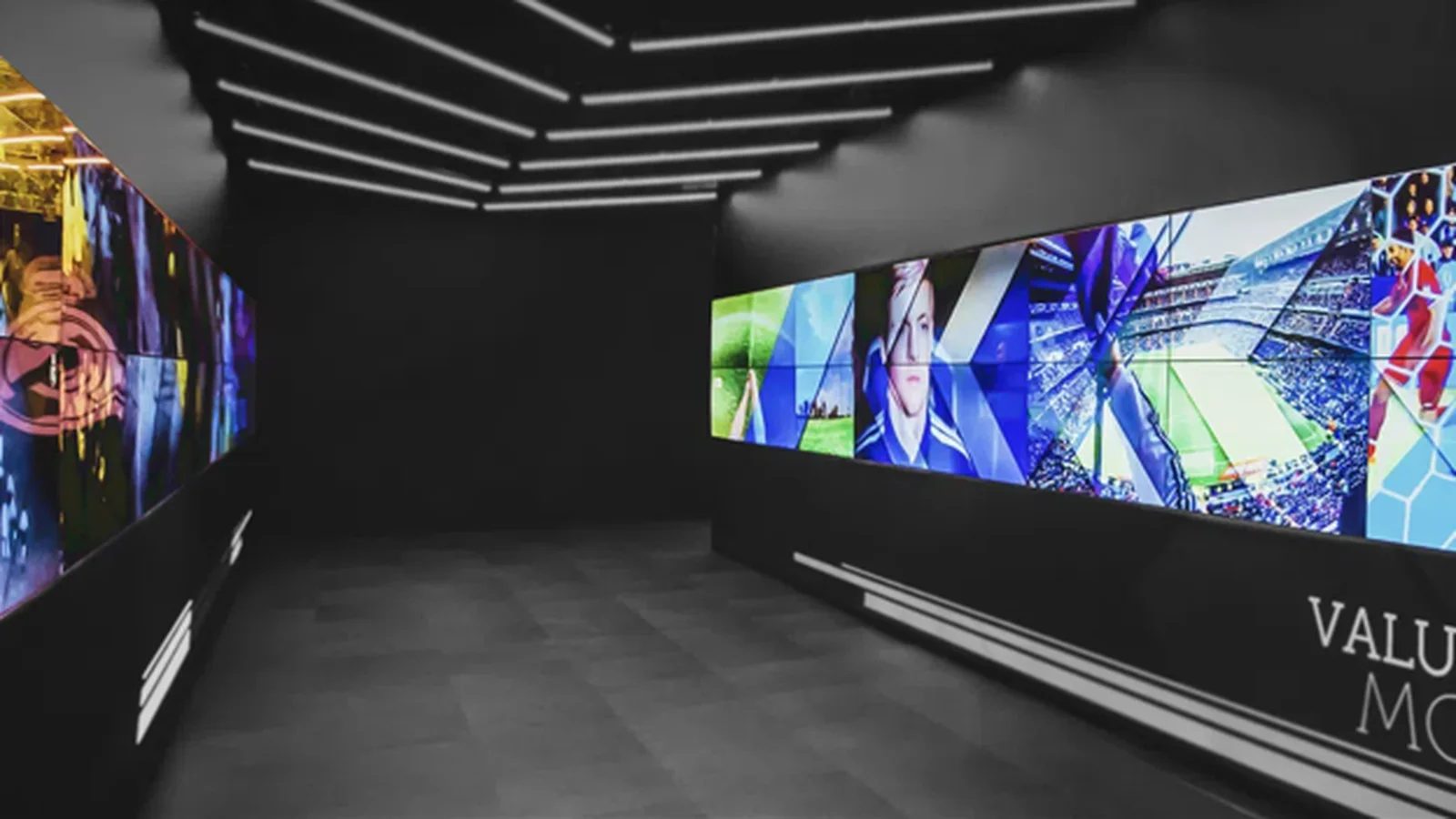
Australian digital signage provider Amped Digital has published specification guidance arguing that ambient light and wall geometry, not budget, should decide which display technology gets used on installations larger than 100 inches. For operators sizing up their next large-format project, the guidance is a reminder that a screen that looks fine in a showroom can fail once it is installed behind glass or under direct sun.
According to Amped Digital, the shift toward LED video walls as the default choice on premium fit outs is generally correct, but is increasingly made without the site analysis that should come first. The company cites projected global LED video wall revenue of USD 36.16 billion by 2026 as evidence of how far that default has spread across retail, corporate and transport environments in Australia.
Brightness and glass eliminate options early
Amped Digital lays out rough brightness bands for the four technologies competing above 100 inches: indoor LED at 800 to 1,500 nits, outdoor LED above 5,000, LCD video walls at 500 to 700, and large-format single panels at 400 to 700. Projection brightness is set by the room itself, since ambient light hitting the screen degrades the image regardless of the projector's rated output.
Matt Steedman, director at Amped Digital, said the costliest mistakes happen before a quote is written, pointing to displays specified in dim showrooms and then installed behind glass. The company says it walks each site at its brightest hour before recommending a technology, because that is the condition the display has to handle for years afterward. It cites high-brightness LED installations for Lotte Duty Free at Melbourne Airport and for column and departure screens at Perth Airport as cases where terminal glare would have washed out lower-nit alternatives.
Wall shape narrows the field further
The second constraint, Amped Digital says, is geometry. LCD video walls are built from 16:9 panels and can only form rectangles. Projection needs a flat surface and clear throw distance that tight foyers often lack. Modular LED cabinets can be configured into ultra-wide, ultra-tall, curved or wrapped shapes, which is why the company used LED for a foyer network at His Majesty's Theatre in Perth, a heritage building with protected fabric and no depth behind the wall, and for a 38-panel asymmetric tunnel built for the Real Madrid World of Football Experience at Melbourne Museum, which toured for five years using BrightSign media players to keep both walls synced to the same frame rate.
The announcement notes that custom geometry creates an ongoing content obligation: non-standard formats need artwork built to the wall's exact resolution and rebuilt for every campaign, and Amped Digital says clients without a dedicated content owner should specify a smaller screen instead. The company manages scheduling and remote updates through Navori.
Amped Digital also argues LCD retains a case for color-critical, close-viewing environments like control rooms and boardrooms, citing 40 to 80 pixels per inch on premium panels against roughly 17 for a P1.5 LED wall. It recommends clients order same-batch spare LED modules at purchase time, since LED color drifts with age. The announcement does not disclose pricing or specific project budgets for the installations named.
The announcement in full
Reproduced from Digital Signage Today for reference. Digital Signage Magazine did not write the text below.
Ambient light and wall geometry, rather than budget, should determine the technology chosen for installations above 100 inches.
August 19, 2026 by Digital Signage Today
Leading Australian digital signage provider Amped Digital has released specification guidance for large-format display projects, highlighting that ambient light and wall geometry, rather than budget, should determine the technology chosen for installations above 100 inches.
The guidance follows a sharp rise in LED video wall adoption across Australian retail, corporate and transport environments, with global LED video wall revenues projected to reach USD 36.16 billion by 2026. LED has become the default specification on premium fit outs, a shift Amped Digital says is correct in most cases but increasingly applied without the site analysis that should precede it.
Four technologies, two decisive variables
Above 100 inches, specifiers are choosing between LED video walls, LCD video walls, projection and large-format single panels. Indoor LED typically delivers 800 to 1,500 nits and outdoor models exceed 5,000, against 500 to 700 nits for LCD video walls and 400 to 700 for large-format displays. The room itself determines projection brightness, because ambient light landing on the screen degrades the image.
The consequence, according to Amped Digital, is that a display specified in a showroom often fails in the environment it was bought for. A north-facing shopfront in February, or a terminal with full-height glazing behind the screen, presents conditions no product demonstration replicates.
"The most expensive mistakes we see are made before anyone looks at a quote," said Matt Steedman, director at Amped Digital. "A screen specified for a dim showroom and installed behind glass is a write-off from day one. We walk the space at its brightest hour, because that is what the display has to cope with for the next decade."
High-brightness LED was specified on that basis for Lotte Duty Free at Melbourne Airport and for the column screens and departure displays at Perth Airport, both environments where terminal glare would have washed out lower-nit alternatives.
Where geometry rules out the alternatives
Wall shape is the second constraint that eliminates options early. LCD video walls are assembled from 16:9 panels and build rectangles only, while projection requires a flat surface and clear meters of throw distance that tight foyers rarely provide. Modular LED cabinets accommodate ultra-wide, ultra-tall, curved and wrapped formats.
Heritage buildings expose the difference most clearly. At His Majesty's Theatre in Perth, protected fabric, restricted fixings and no depth behind the wall left modular LED as the only workable option for a foyer display network. For the Real Madrid World of Football Experience, which opened at Melbourne Museum in 2018, Amped Digital built a 38-panel asymmetric tunnel, 20 panels down one side and 18 down the other, with custom scripting on BrightSign media players holding both walls to an identical frame rate. The structure toured for five years.
Custom geometry carries a content obligation that lands after the install is finished. A 16:9 screen plays whatever a marketing team already holds, while ultra-wide, curved, and column formats require artwork built to the wall's exact resolution and rebuilt each campaign. Amped Digital manages scheduling and remote updates across its installations through Navori, from single sites to national networks, though the company advises that a client without a content owner should specify a smaller screen.
LCD retains a defensible case. Premium panels reach 40 to 80 pixels per inch against roughly 17 for a P1.5 LED wall, and ship factory-calibrated for color-critical work, suiting control rooms, boardrooms and design studios where viewers sit close to the screen.
Amped Digital has deployed digital signage and LED video wall systems for Australian businesses ranging from 10 to over 1,000 sites, covering procurement, structural and power scoping, installation, content design and ongoing support. The company's turnkey approach is built around long-term partnerships and the realities of national operations, including its standing recommendation that clients order same-batch spare modules at the time of purchase, since LEDs drift in color as they age.
Get the latest news and resources from Digital Signage Today.